



29 September is World Heart Day. Perhaps this is not a date on the calendar many of us treat with the same reverence as New Year’s Day, Father’s Day, or even Valentine’s Day. But in context, it’s worth considering that almost half of South African adults between the ages of 30 and 79 are estimated to have hypertension. Hypertension (or high blood pressure) is one of the most serious risk factors for death from heart diseases and strokes. That should make the date more relevant to so many of us.1,2
According to the World Health Organization’s latest hypertension profile, approximately 12 million South Africans in this age group were living with hypertension in 2024. However, just 54% had been diagnosed, 48% were receiving treatment, and 25% had their hypertension controlled. Among men, the control rate was only 16%.¹
Additionally, the International Diabetes Federation estimates that 2.3 million South African adults aged 20 to 79 were living with diabetes in 2024, with 70.3% estimated to be undiagnosed.³ Together, these figures highlight that a significant number of South Africans may be living with conditions that increase their cardiovascular risk without knowing they have them.
Living in a big city like Johannesburg, raising a family and working hard to stay on top of all that life demands of you, you probably don’t take as much time as you should to consider your own health. You tackle each day, make sure you’ve fulfilled all your obligations, go home, reset, and start the next day again. Of course, stress features, and all of us have moments that feel overwhelming. But we press on, and if we feel physically okay, there’s no reason to stop, is there?
Perhaps, at least for World Heart Day, we could pause. You may feel fine, but hypertension often causes no noticeable symptoms. Type 2 diabetes can also develop with symptoms that are mild enough to go unnoticed for years.
Both can increase cardiovascular risk, while raised blood pressure, raised blood glucose, and abnormal blood lipids are among the measurable metabolic risk factors associated with cardiovascular disease. This means the information needed to identify risk can emerge well before someone experiences a cardiovascular event. So, with World Heart Day in your calendar, the best gift you can give yourself and your family is peace of mind, and that begins with a simple check-up or blood test.⁴ ⁵
South Africa’s national approach to non-communicable diseases recognises the importance of earlier detection. Its 90-60-50 cascade for hypertension and diabetes aims for 90% of people over 18 to know whether they have raised blood pressure or blood glucose, 60% of those affected to receive intervention and 50% of those receiving treatment to have their condition controlled.⁶
Knowing your numbers gives you a head start on connecting detection with treatment, making small but important lifestyle changes, monitoring your health, and ultimately gaining control over your own destiny.
A blood pressure reading or blood glucose result can provide the critical first piece of information healthcare professionals need to stop us from becoming part of the statistics. Depending on the person and their clinical circumstances, cholesterol levels, kidney function, medical history and further diagnostic investigations can add to that picture. Cardiovascular risk is rarely contained in a single number, which makes the ability to bring relevant information together increasingly important for clinicians deciding what should happen next.⁴
Recent South African research shows how significant the consequences of delayed investigation can be. A study involving 2,523 patients referred for their first echocardiogram at a tertiary hospital in central South Africa found cardiac abnormalities in 74% of patients.
More than a third of those with valvular disease already had severe disease, while 44% of patients with cardiomyopathy had severely impaired ventricular function at their first check-up.⁷
For the person behind those findings, the route from the first indication that something may be wrong to appropriate care can involve several points in the health system. Initial assessment may lead to laboratory testing, further investigation, or referral to another facility. Each part must connect to the next if earlier detection is to translate into earlier care.
Diagnostics play a key role in that process because symptoms alone cannot determine much of cardiovascular risk. WHO notes that measurable factors such as raised blood pressure, blood glucose and blood lipids can indicate increased risk of heart attack, stroke, heart failure and other complications, while identifying people at highest cardiovascular risk and ensuring appropriate treatment can help prevent premature deaths.⁴
South Africa already has considerable experience in building systems around early detection and long-term disease management. The response to HIV and tuberculosis has required investment in laboratory capacity, testing, clinical pathways, data, and sustained treatment. Cardiovascular disease is different, but the experience has shown the value of connecting each stage of care rather than treating a diagnostic result as an endpoint.
As diagnostic technology develops, more sophisticated testing can give clinicians additional information about disease and risk, while digital health systems can bring information from different points of care together. The real measure of any of these advances, however, is whether we choose to get tested in the first place.
Knowing your blood pressure and blood glucose may be one of the best gifts you could ever give yourself. For healthcare providers, laboratories, government and industry, improving access to testing, strengthening referral pathways and making better use of the diagnostic information already being generated within the health system makes your result even more valuable.
This World Heart Day, the numbers give us good reason to pause and think about our hearts. With millions of South Africans estimated to be living with undiagnosed hypertension or diabetes, prevention begins long before somebody arrives at a hospital with serious heart disease. Finding risk earlier gives people and their healthcare professionals something invaluable: more time and better information with which to decide what comes next.
Have a heart. Let’s add this one to the calendar. Happy World Heart Day.
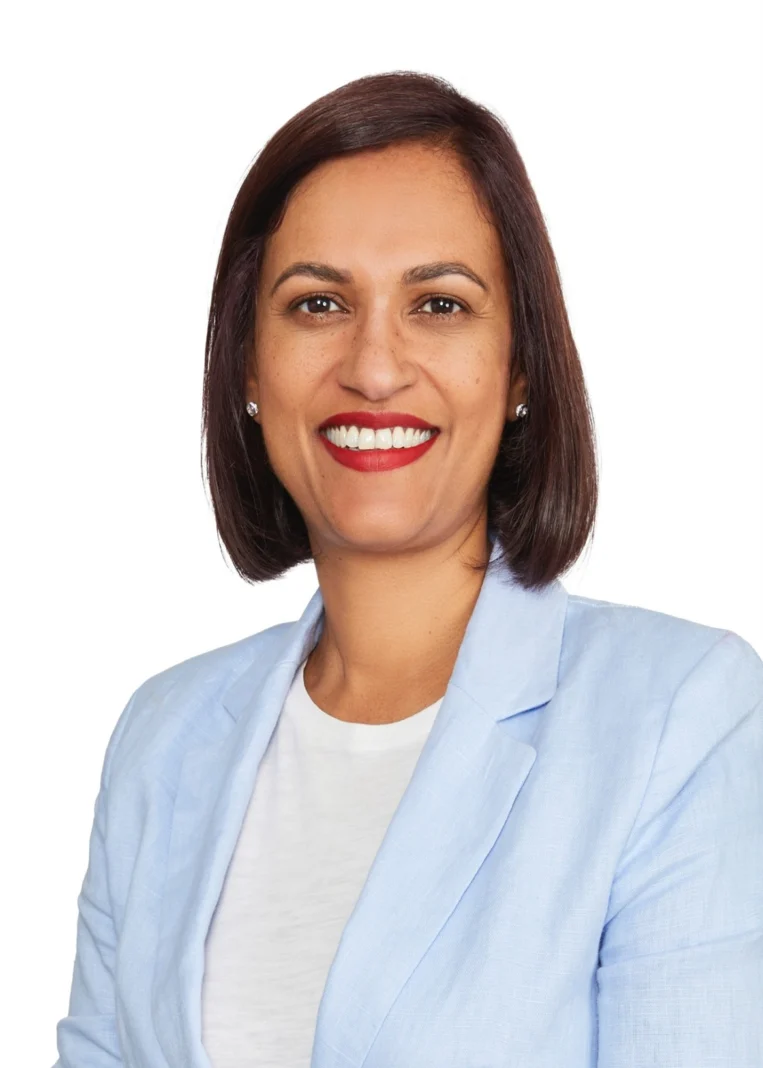
By Merilynn Steenkamp, General Manager, Southern Africa Multi-Country Network at Roche Diagnostics
References
-
- World Health Organization. Global report on hypertension 2025: high stakes – turning evidence into action. Hypertension country profiles, 2025.
WHO South Africa hypertension profile (Page 254) - Heart and Stroke Foundation South Africa. Blood Pressure. Heart and Stroke Foundation South Africa: Blood Pressure
- International Diabetes Federation. Diabetes Atlas: South Africa. The 2024 estimates are 2.324 million adults aged 20–79 living with diabetes and 70.3% undiagnosed. IDF Diabetes Atlas: South Africa
- World Health Organization. Cardiovascular diseases. WHO: Cardiovascular diseases
- World Health Organization. Hypertension and Diabetes. WHO: HypertensionWHO: Diabetes
- World Health Organization. Global report on hypertension 2025: high stakes – turning evidence into action. Hypertension country profiles, 2025.

