



Johannesburg, South Africa – September 21, 2026: As Africa’s populations age and healthcare systems face evolving demands, St. George’s University (SGU) School of Medicine in Grenada, West Indies, is highlighting the need to strengthen dementia awareness, early recognition, and patient-centered care across the continent.
The call comes as dementia becomes an increasingly important global health challenge. According to the World Health Organization (WHO), more than 57 million people are living with dementia worldwide, with nearly 10 million new cases each year. Alzheimer’s disease accounts for an estimated 60–70% of cases.
For Africa, the implications extend beyond diagnosis and treatment. Older people living with dementia in low- and middle-income countries can face limited access to affordable long-term care and support, placing significant responsibility on families and caregivers. As life expectancy increases and populations age, healthcare professionals will increasingly need to recognize cognitive decline, distinguish dementia from normal ageing, and support patients and families through changing care needs.
“Africa’s evolving demographic profile means dementia can no longer be viewed solely as a challenge for older patients; it is increasingly a healthcare-system issue that requires preparedness,” said Dr. Robert Grant, Senior Associate for clinical studies at St. George’s University. “The physicians serving these communities need the clinical knowledge to recognize cognitive decline, but also the communication skills and cultural awareness to work effectively with patients and families. Medical education has an important role in preparing doctors to meet these needs across diverse healthcare environments.”
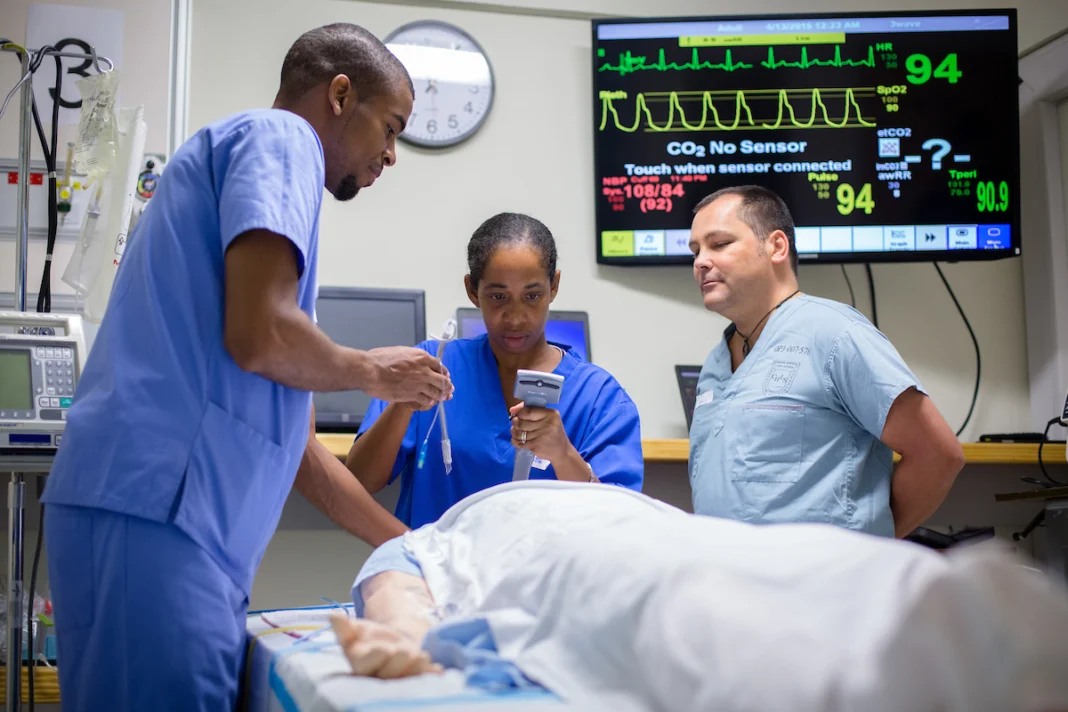
This is where SGU’s global approach to medical education has a strategic role to play. With students and faculty drawn from more than 150 countries, SGU prepares physicians within an international learning environment designed to expose future doctors to diverse patient populations, healthcare systems, and perspectives.
Its clinical training network, comprising more than 75 affiliated hospitals and health systems across the United States and the United Kingdom, provides students with opportunities to develop clinical skills across different healthcare settings. SGU’s approach emphasizes not only medical knowledge, but also clinical reasoning, communication, teamwork, and the ability to adapt to patients’ individual needs.
Prevention and health aging are also becoming increasingly important. Updated WHO guidance emphasizes addressing modifiable risk factors throughout life as part of efforts to reduce the risk of cognitive decline and promote healthier ageing. Greater public awareness, earlier recognition, and better access to information can complement efforts to strengthen dementia services across African communities.
For SGU, preparing physicians for an ageing world means ensuring they understand the person behind the diagnosis.
“Dementia can affect far more than memory; it can reshape a person’s independence, relationships, and family life,” added Dr. Robert Grant, Senior Associate for clinical studies at St. George’s University. “Good healthcare must therefore preserve dignity and connection alongside clinical care. Physicians need to be prepared to listen, communicate clearly, and help families navigate difficult decisions as care needs change.”
World Alzheimer’s Day provides an opportunity to recognize those living with dementia and the families and caregivers supporting them, while reinforcing the need for healthcare professionals equipped to respond to Africa’s changing health landscape.
Through its rigorous medical education, international clinical exposure, and global perspective, SGU remains committed to preparing physicians who can contribute meaningfully to healthcare systems and communities around the world, including those facing the growing demands of ageing populations.
For more information on the programs and tracks available through SGU School of Medicine, visit SGU’s website
About St. George’s University School of Medicine:
Founded in 1976, St. George’s University (SGU) is a center for academic excellence worldwide. With students and faculty drawn from more than 150 countries, SGU is truly an international institution, with a uniquely global perspective. The SGU School of Medicine is accredited by the Grenada Medical and Dental Council which has been recognized by the World Federation for Medical Education (WFME). The school offers a four-year Doctor of Medicine (MD) degree program. Students can also enter the MD degree program from any education system around the world via the five-, six-, or seven-year MD tracks. SGU has a large network of 75+ affiliated hospitals and health centers in the US and UK, with the unique opportunity for students to begin their medical career in Grenada or the UK.

