South Africans may still be thinking about winter after last week’s severe cold front, but before long, homes will once again be dealing with hot bedrooms, stuffy living spaces and the challenge of keeping cool without sending electricity bills soaring.
We tend to think about cooling when the first really uncomfortable week arrives, and everyone suddenly wants a solution. This year, households have an opportunity to look at their homes earlier and think about how they are going to stay comfortable through summer.
The reason to start planning now is that the summer outlook is becoming harder to ignore. The South African Weather Service’s June Seasonal Climate Watch pointed to El Niño strengthening towards early summer, noting that South Africa’s typical El Niño pattern is associated with warmer and drier summer conditions.
Since then, the signal has strengthened. The World Meteorological Organization said at the end of July that a strong El Niño was developing and expected to intensify during August to October. Its seasonal outlook shows a strong likelihood of above-normal temperatures across southern Africa.
For Trevor Brewer, founder of lifestyle technology specialist Solenco, the value of forecasts like these is the time they give households to prepare.
“People tend to approach summer cooling as though there is one answer for the whole house. It is more useful to look at where people actually spend their time and how air moves through those spaces,” says Brewer.
Start with the way your home handles heat
Preparing for summer does not necessarily mean installing air conditioning throughout the house. Different parts of the home create different cooling challenges.
Bedrooms may need quiet airflow through the night, while spaces used during the day can become uncomfortable as temperatures climb. Where air conditioning is already installed, better circulation can also help move cooled air through the room.
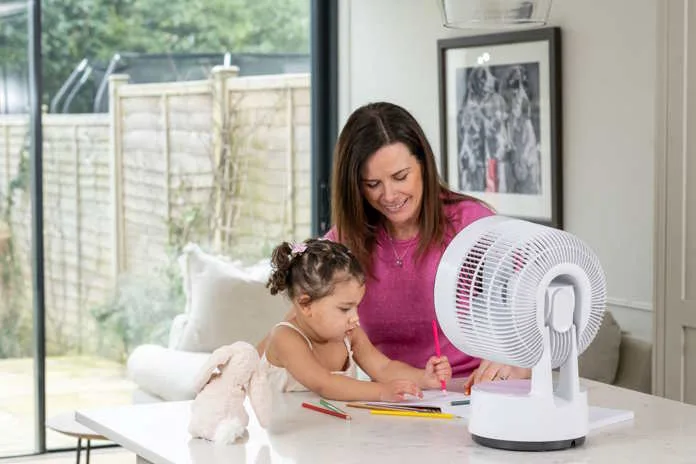
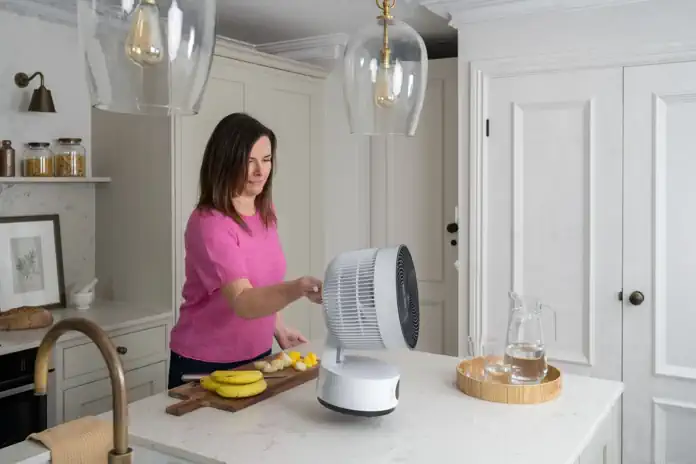
An air circulator does not lower the room temperature itself, but it is designed to move larger volumes of air around a space. It can also help distribute cooled air from an existing air-conditioning system.
Portability can make that approach more practical. A device that can move between rooms allows households to use cooling where it is needed rather than treating every space as though it requires a permanent installation.
“This year, we have an opportunity to look at our homes earlier and think about how we are going to stay comfortable through summer,” says Brewer.
Think beyond the purchase price
Electricity consumption is another part of the decision. South African households are increasingly conscious of the cost of running appliances, particularly when they may operate for hours during hot weather.
“The shelf price is only part of what you are paying for. If something will be running every day through summer, its energy use becomes part of the purchasing decision,” he says.
Efficient air movement can form part of a broader cooling strategy. Households can also take advantage of cooler evening conditions where appropriate and reduce the amount of direct heat entering the home during the day, while using air conditioning more selectively where it is available.
The goal, Brewer says, should be to make the home comfortable without automatically reaching for the most energy-intensive option every time temperatures rise.
Heat can become more than uncomfortable
The case for preparing early also extends beyond comfort. The World Health Organization warns that high temperatures can place greater strain on older people, infants, and people living with chronic health conditions. Earlier this month, the WHO also highlighted heat-related illness as one of the public-health risks requiring preparation as El Niño strengthens.
“Check what you already have, think about the rooms that become uncomfortable and look at what any new appliance will cost to run. The best time to work out how your home and your health will cope with summer is before you are trying to solve the problem in the middle of a heatwave,” says Brewer.