



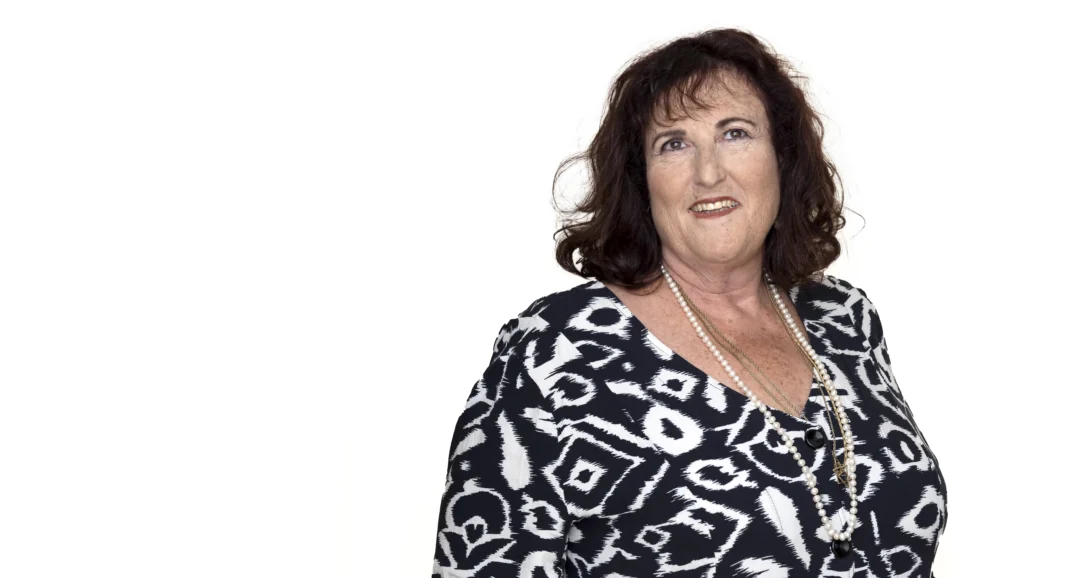
The elderly carry stories, wisdom and experience that can easily be lost between generations. This Older Persons Week, Susan Abro of Susan Abro Attorney believes it is time to listen, reconnect and recognise the important role older people continue to play in South African families and communities.
Older Persons Week, taking place from 26 September to 2 October, is an opportunity to celebrate older people and acknowledge their contributions, while also drawing attention to issues that affect their dignity, safety, independence and quality of life.
But for Abro, the conversation should go beyond simply celebrating older people for one week of the year.
“Older people have lived through things that younger generations may never experience or fully understand. They carry family histories, cultural traditions, knowledge and life lessons that can easily disappear if we do not take the time to listen,” she says.
This is particularly relevant in South Africa, where different cultures, religions and traditions have shaped generations of families. In many African communities, older people traditionally held positions of great respect and played important roles in guiding families and resolving disputes. As families have become more dispersed and traditional community structures have changed, some of that connection has been lost.
At the same time, older people continue to play a vital practical role in many families. Gogos are often caring for grandchildren, while in some households several generations continue to live together and support one another.
“Everything in society is intertwined,” says Abro. “We need to recognise the contribution older people make, whether that is caring for grandchildren, supporting their families, sharing their knowledge or simply being there as an important source of wisdom and guidance.”
She believes intergenerational relationships should be actively encouraged, including outside the immediate family.
“We should be encouraging young people, even children of primary school age, to spend time with older people. Visiting an old age home, sitting down and having a conversation, listening to someone’s stories or simply spending time together can create understanding and connection between generations,” she says.
There is also value in preserving those stories. Abro encourages families to ask older relatives to record their experiences and family histories for future generations.
“Our older people are part of our history. Many South African families have stories of migration, hardship, opportunity, faith and starting again in a new country. Those stories help us understand where we come from and how the generations before us helped shape the lives we have today.”
The legal protection of older people is also evolving. The Older Persons Act 13 of 2006, was amended and signed into law in November 2025, although it has not yet commenced and is awaiting proclamation.
Among its provisions, the amendment introduces a uniform definition of an older person as someone aged 60 or older, strengthens measures relating to abuse and ageism, provides for temporary safe care in urgent cases where an older person’s safety is at risk, and recognises different forms of care, including independent and assisted living.
It also places greater emphasis on community and home-based care and recognises the role older people can play in mentoring, intergenerational dialogue and community conflict resolution.
For Abro, however, legislation is only one part of protecting and valuing older people.
“Respect for older people cannot be something we talk about during Older Persons Week and then forget about. It needs to be part of how we build our families and communities every day,” she says. “A society that values its older people is a society that values its own history. We need to respect where we have come from, learn from those who came before us and carry that wisdom forward into the future.”
www.susanabro.com

