



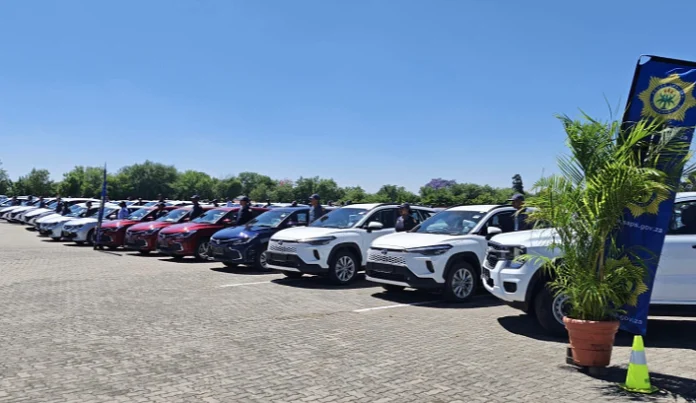
SOUTH AFRICA — In a major push to strengthen grassroots law enforcement, the South African Police Service (SAPS) has officially handed over 1,087 new SAPS patrol vehicles to 140 high crime stations across the country. The strategic fleet expansion, led by National Commissioner General Fannie Masemola, is designed to dramatically improve operational readiness and community safety.
The newly acquired fleet consists of a mix of sedans and double-cab bakkies, selected to meet the diverse and demanding needs of frontline officers. According to official statements from the police service, this rollout forms a core component of the SAPS’s ongoing mandate to enhance frontline service delivery, improve operational efficiency, and increase police visibility in vulnerable areas.
The deployment is highly targeted to ensure resources reach the units that need them most. The vehicles will be allocated to 140 designated high-crime police stations, as well as specialized Detective units and Visible Policing divisions. Furthermore, the fleet will directly support the Family Violence, Child Protection, and Sexual Offences (FCS) Units, 10111 Call Centres, and the elite Flying Squads.
Speaking on the strategic importance of the rollout, police leadership emphasized that the initiative goes beyond simply adding cars to the road.
“This investment is aimed at enhancing the operational readiness of police members, improving response times, strengthening investigations and ensuring that communities receive effective and efficient policing services,” the SAPS stated ahead of the handover.
By placing these specialized vehicles directly into the hands of frontline officers and investigative units, the SAPS expects to see a marked improvement in emergency response capabilities and criminal investigation outcomes. The deployment reinforces the national police service’s commitment to combating crime at the local level, ensuring that both officers and the communities they serve are better protected.

