



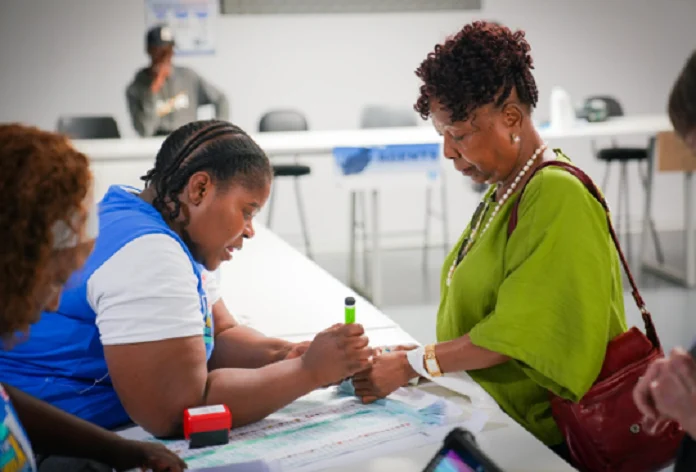
SOUTH AFRICA — As the 2026 South Africa Local Government Elections commence this Wednesday, millions of eligible citizens are heading to voting stations across the country to elect their municipal council representatives.
The elections place the future of municipal governance directly in the hands of the electorate. Voters are tasked with choosing representatives who will address community needs and priorities over the next five years. The decisions made by these municipal councils have a direct impact on the daily lives of residents, overseeing the delivery of basic services such as water, electricity, and sanitation, as well as maintaining municipal roads, managing waste, and promoting local economic development.
A total of 29.2 million registered voters are participating in the electoral process, which is being conducted at 23,696 voting stations nationwide. To administer the voting process across all nine provinces, the Electoral Commission of South Africa (IEC) has deployed approximately 188,000 electoral officials.
“The Electoral Commission is fully prepared for Election Day, with operational arrangements in place across all nine provinces to facilitate a smooth and efficient voting process,” IEC Chief Electoral Officer Sy Mamabolo stated on Tuesday evening.
Mamabolo confirmed that all ballot papers and essential election materials have been secured and distributed to the respective voting stations, with the necessary logistical, security, and operational arrangements finalized to support a successful election.
The electoral contest is extensive, featuring 136,790 candidates vying for 10,526 council seats. These seats are distributed across the country’s eight metropolitan municipalities, 44 district municipalities, and 205 local municipalities. Voting stations opened at 07:00 and will close at 21:00, with Wednesday officially declared a public holiday to enable eligible voters to participate.
Voters are required to cast their ballots at the specific voting station where they are registered. Acceptable forms of identification include a smart ID card, a green barcoded ID book, or a valid Temporary Identity Certificate.
Special Voting Concludes Successfully
Election Day follows a two-day special voting period on 2 and 3 November. This window provided an opportunity for registered voters who would be unavailable on Election Day, as well as those unable to travel to voting stations due to physical infirmity or disability, to cast their ballots. A total of 1,425,942 voters successfully cast their special votes during this period.
Deputy Government Spokesperson William Baloyi noted that the government is pleased with the outcome of the special voting process and expressed gratitude to the public for their participation.
“Government’s assessment of the two days scheduled for special votes is that everything went well, and we wish to thank South Africans for turning out in their numbers,” Baloyi said, describing the participation as a clear demonstration of the public’s commitment to strengthening the country’s democracy.
Looking ahead to the main voting day, Baloyi issued a specific appeal to the youth, reminding them that the decisions made by elected leaders will directly shape their future.
“To the youth, we want to appeal to you as government that this is your future. The future is in your hands. Make sure that you wake up, go early in your big numbers to the voting stations. Don’t underestimate your vote. Your vote is your future. The youth are the future of this country,” Baloyi urged.
Additionally, the government has encouraged all voters to make their way to voting stations early, noting that weather predictions indicate showers in some parts of the country.
Baloyi reiterated that voting is a vital opportunity for eligible citizens to exercise their constitutional right, allowing them to choose the candidates and parties they believe are best equipped to represent, develop, and build their communities as South Africa continues its democratic journey through the local sphere of government.

