



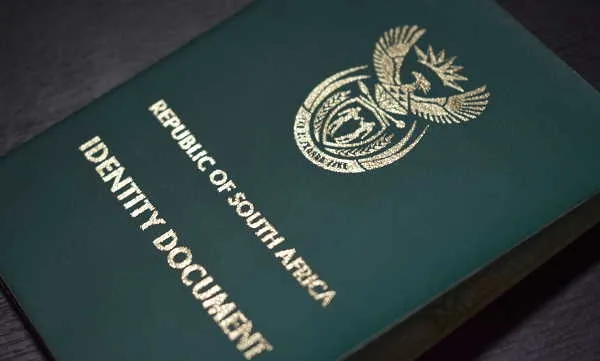
A 17-year-old girl from Soweto has never possessed a birth certificate or identity document, leaving her in a state of legal invisibility despite being raised in South Africa since infancy. Her family, who have cared for her since early childhood, say they have exhausted official avenues in a bid to secure her legal status.
The teenager, who is currently in matric, described the emotional toll of being unable to access basic rights afforded to her peers. “They keep asking me when I will get my documents,” she shared. “I’ve reached matric, but I have nothing.” Her comments highlight the barrier she faces as she prepares to transition into adulthood without proof of identity.
Her aunt and primary caregiver explained that efforts to register the child began years ago at the Department of Home Affairs office in Orlando. The process proved labyrinthine: officials redirected the family to municipal offices, requested school examination records, and eventually instructed them to undergo DNA testing. The family complied with the DNA request, hoping it would provide clarity, but were subsequently referred to court proceedings and then back to Home Affairs. Even after submitting what they believed to be a complete application, they were denied assistance and told to apply in the locality where the child was born—a place the family says they cannot identify or access.
School enrollment presented early obstacles. Without a birth certificate, the girl was initially refused admission. “I pleaded and pleaded,” her aunt recalled. “Eventually, a principal who knew the children at the school agreed to take her in.” Now in her final year of high school, the student wishes to transfer to a different institution to avoid the challenges of learning in Afrikaans, a language she finds particularly difficult, but cannot proceed without documentation.
A Department of Home Affairs spokesperson confirmed that the department has reached out to the family and invited them to visit a designated Home Affairs office this Thursday to facilitate the processing of the teenager’s documentation. The spokesperson emphasized the department’s ongoing efforts to address cases of undocumented individuals, though no specific outcome or timeline was guaranteed.
The teenager’s predicament is not isolated. Advocacy organizations note that thousands of people across South Africa remain undocumented due to complex administrative requirements, inconsistent application of policy, and prolonged processing delays. These barriers often prevent children from accessing education, healthcare, and future employment opportunities.
As the family prepares for their scheduled Thursday appointment, they express cautious optimism. “We just want her to have what every child deserves,” her aunt stated. “A name, a number, a chance.”

