



JOHANNESBURG, Gauteng — South African authorities have launched a high-level investigation after nine women found dead near Johannesburg sparked national outrage and renewed urgent calls for accountability and women’s safety. The discoveries, made at various locations east of the city, have prompted police to offer a R400,000 reward for information leading to the arrest of those responsible.
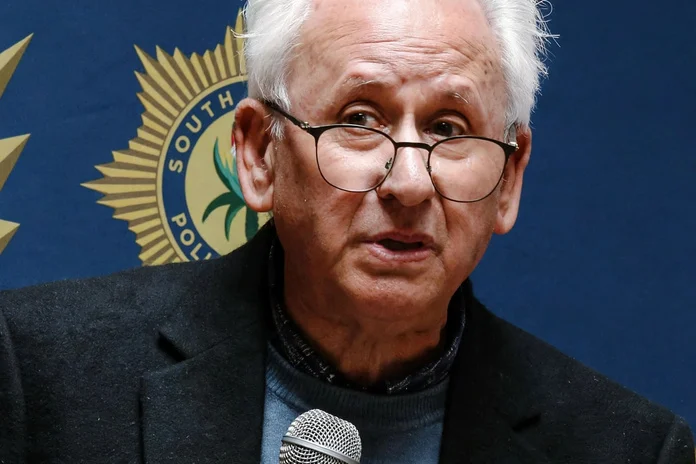
Firoz Cachalia emphasized the seriousness of the probe, stating, “We will leave no stone unturned to bring the culprits to book.” He confirmed that a high-level multidisciplinary team, under the leadership of the deputy provincial commissioner, has been established to lead the investigation.
The first body was discovered in July. The victims range in age from 20 to 38. According to police, the bodies were found in two different locations, either naked or partially clothed, and exhibited signs of bruising. While investigators are examining possible links between the cases, officials caution that it is too early to definitively attribute the deaths to a single perpetrator.
Puleng Dimpane highlighted the critical need for public assistance, noting, “The sooner we identify these victims, the quicker it will assist us to follow specific leads as well as to crack this particular case. So we are calling upon anyone who is aware of any family member who is missing to come forward.”
Among the recent victims is 38-year-old Elizabeth Moselakogmo, an avid runner who was reported missing after going for her usual afternoon jog. Her body was discovered days later. This week, her family gathered to remember a woman described as a beacon of respect, loyalty, love, and happiness who brought joy to those around her.
However, grief has rapidly turned into widespread fear. Residents report that women now feel profoundly unsafe walking alone. Community members have voiced their anxiety, questioning how women can safely navigate everyday activities, such as walking home from local shops, without the constant fear of being followed.
This fear has catalyzed public action. In Johannesburg, residents recently participated in a community run to honor the victims. Organizers stressed that the crisis extends far beyond a single family or neighborhood. “We are running as a community and as a whole to stand together for Elizabeth and for the other women who have very tragically lost their lives in the last couple of weeks in our city,” an organizer stated. They added that during the gathering, almost everyone raised their hand when asked if they had ever felt unsafe on a run or changed their route due to fear of being followed.
The tragedy unfolds against a grim statistical backdrop. South Africa recorded more than 5,400 murders between April and July of this year, averaging approximately 45 killings per day, according to the latest crime figures. Furthermore, the United Nations has noted that the country’s femicide rate remains among the highest in the world.
For the families mourning these nine women, the demands are clear and uncompromising: answers, accountability, and tangible safety.

