



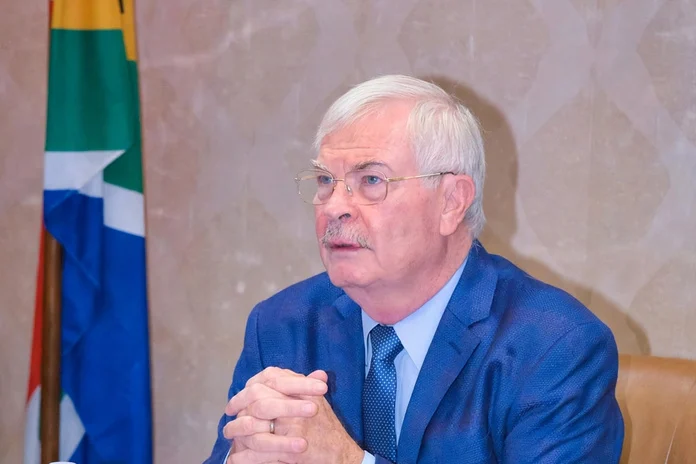
CAPE TOWN, Western Cape — South Africa prison overcrowding is severely derailing inmate rehabilitation efforts, Correctional Services Minister Dr. Pieter Groenewald warned as he officially launched Corrections Week in Cape Town. With the national prison population surpassing designed capacity by 62% to 63%, government officials and judicial inspectors emphasize that systemic bottlenecks and resource constraints are threatening both basic human rights and the successful reintegration of offenders into society.
The annual Corrections Week, themed around “correcting offending behavior, restoring dignity, and rebuilding communities through arts and craft,” aims to highlight the vital role of rehabilitation as a societal responsibility. During the launch at the Goodwood Correctional Facility, Dr. Groenewald stressed that communities must play an active role in welcoming back rehabilitated individuals. The department is currently promoting self-sufficiency programs that include woodwork, steelwork, leatherwork, agriculture, and arts and crafts.
Julian Haynes, a murder convict currently housed at Goodwood Prison, shared his personal rehabilitation success story, noting that he has turned to beadwork behind bars. Haynes explained that the structured environment has kept him away from gang activities and allowed him to develop skills he never had the time or opportunity to pursue on the outside.
However, these rehabilitative strides are being actively undermined by a severe capacity crisis. Dr. Groenewald revealed that South Africa’s correctional facilities currently hold just under 111,000 sentenced offenders, alongside 60,000 to 62,000 remand detainees. With only about 107,000 beds available nationally, the total inmate population sits at approximately 169,000.
The most acute pressure point is the backlog of awaiting-trial prisoners. Dr. Groenewald highlighted that approximately 1,414 remand detainees have been waiting for more than 10 years for their trials to be completed, a situation he described as “totally unacceptable.”
Justice Lee Bozalek, Inspecting Judge for the Judicial Inspectorate for Correctional Services (JICS), echoed these concerns, framing the overcrowding crisis as a longstanding human rights issue. Justice Bozalek noted that during recent inspections of a medium-security facility, conditions were “simply inhumane.” He described cells designed for 45 people holding double that number, with inmates forced to sleep on floors amid inadequate sanitation and severe shortages of bedding and mattresses.
Compounding the physical infrastructure deficit, Justice Bozalek pointed out that 228 of the country’s 243 prisons remain outdated, fortress-style facilities that rely heavily on manual labor for security. This outdated infrastructure exacerbates security threats, including gang infiltration. Officials report that criminal syndicates are increasingly using prisons as command centers to direct outside operations via illicit mobile phones. Nearly 40,000 cell phones were confiscated in prisons during the last financial year alone.
With security crackdowns and rehabilitation programs competing for the same limited budget, Justice Bozalek warned that rehabilitation inevitably takes second place. Severe staffing shortages mean that small numbers of warders are often tasked with overseeing hundreds of inmates, making holistic rehabilitation nearly impossible in the most pressured centers.
To alleviate the strain, the Department of Correctional Services is pursuing several strategic interventions. Dr. Groenewald announced that agreements have been signed with Botswana, Namibia, and Zimbabwe to facilitate the transfer of foreign nationals sentenced in South Africa. He noted a major breakthrough with Zimbabwe, which accounts for the majority of foreign inmates, with approximately 4,700 sentenced Zimbabweans currently in the system. The department is also working to amend Section 73 to allow foreign nationals to serve their sentences in their countries of origin.
Beyond international transfers, Justice Bozalek advocated for systemic criminal justice reforms, starting with more flexible bail conditions for minor offenses. He cited a pilot project by the SA Bail Fund in the Western Cape, which covers bail amounts of R1,000 or less for individuals charged with minor offenses, such as minor drug possession. Keeping these individuals out of prison not only prevents their exposure to hardened criminal elements but also saves the state an estimated R480 per day per inmate.
Furthermore, Justice Bozalek urged a comprehensive reassessment of the country’s sentencing regime, particularly the minimum sentencing laws introduced in 1998. He noted that the population of inmates serving life sentences has skyrocketed from 400 in 1994 to approximately 20,000 today, permanently swelling the prison population.
The parole system also requires an urgent overhaul. Justice Bozalek highlighted that the success rate for parole applications for life-sentenced inmates is exceptionally low, creating a severe bottleneck at the system’s exit point. This occurs despite frequent recommendations for release from the National Council on Correctional Services, which includes judicial representatives.
Broadening the scope of the crisis, Dr. Groenewald also addressed the alarming rates of gender-based violence (GBV) and femicide in South Africa, referencing recent mass murder cases, including the discovery of nine bodies in Ekurhuleni. He issued a direct appeal to men across the country to take control, foster self-respect, and actively protect women rather than perpetrate heinous crimes.
As Corrections Week continues, the overarching message from both the ministry and judicial inspectors remains clear: addressing South Africa’s prison overcrowding is not solely the responsibility of the correctional services department, but requires a coordinated, whole-of-society approach to justice, sentencing, and rehabilitation.

