



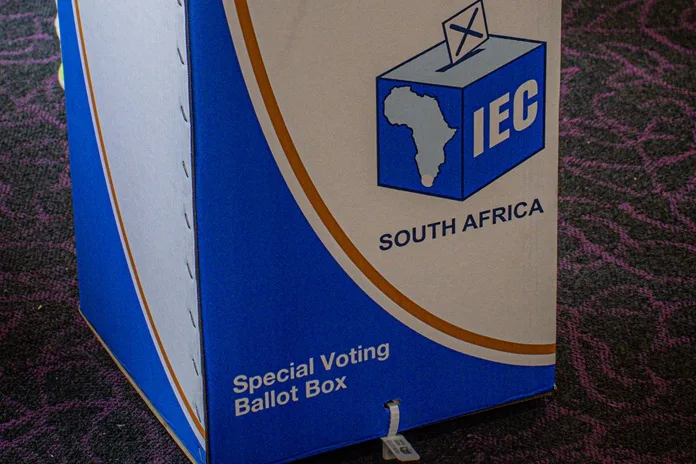
PRETORIA — Chief Electoral Officer Sy Mamabolo has confirmed that recent IEC voter registrations have successfully captured 2.9 million citizens, marking a major milestone in the commission’s preparations for the November Local Government Elections. Speaking via Zoom, the top election official reflected on the massive turnout and outlined the roadmap for the final registration pushes.
A significant portion of the 2.9 million total comprises newly eligible citizens. Mamabolo revealed that 477,000 of the applicants are joining the national voters’ roll for the very first time. This aggressive registration drive has expanded the roll from 27.7 million—its size following the 2024 national elections—to a robust 28.5 million today.
The physical registration channels proved highly effective, accounting for 88% of all transactions. Citizens flocked to 23,000 voting stations to utilize voter management devices. Meanwhile, the digital route handled the remaining 12%. Mamabolo praised the hardware’s performance, noting that technological remediations implemented after the 2024 electoral cycle are functioning exactly as intended.
Despite the overall success, the online portal experienced minor bottlenecks, resulting in roughly 30,000 incomplete applications. The Chief Electoral Officer clarified that the primary culprit was poor image quality regarding uploaded ID book photos. The technical team is manually reviewing these files and expects to clear the backlog by the end of the week. For users whose uploads froze entirely due to high web traffic, Mamabolo advised simply retrying the submission, attributing the glitch to temporary system volume.
To eliminate digital barriers and boost youth participation, the electoral commission has officially zero-rated the online voter portal. This means citizens can register or update their details without consuming mobile data. While the physical registration sites will reopen for a second dedicated weekend on August 1 and 2, the zero-rated online portal remains active right now for those who prefer digital convenience.
Geographically, the registration numbers closely tracked the country’s population density. KwaZulu-Natal led the provinces with nearly 700,000 total registrations. The Eastern Cape followed closely with 534,000, while Gauteng secured third place with 522,000. Limpopo rounded out the top four provinces.
Addressing widespread digital misinformation, Mamabolo took the opportunity to dismantle a persistent social media myth: the false claim that uncast votes are automatically awarded to the largest political party. He labeled this idea a “profound fallacy,” stressing that abstaining from the ballot box simply means a citizen’s voice is excluded from the count. Only the votes physically cast will dictate the final composition of the municipal councils, and he urged the public to desist from spreading the unhelpful rumors.
As the commission looks toward the November Local Government Elections, the legal and administrative gears are already turning. Immediately following the August 1 and 2 registration weekend, the Minister is expected to formally proclaim the election date in legal terms, an action that will officially close the voters’ roll.
Concurrently, the IEC has already launched its online candidate nomination system. This early opening allows political parties and prospective independent candidates to submit their paperwork ahead of the rush, ensuring no one misses the deadline due to last-minute administrative bottlenecks.

