



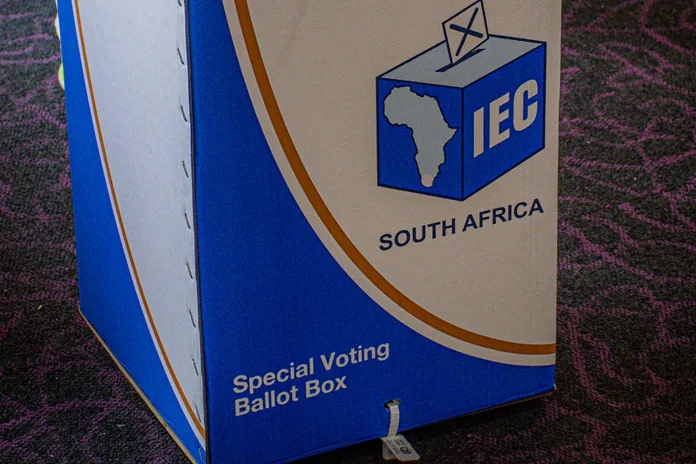
With local government elections set for 4 November, South African voters have a critical window to register or update their details during the national registration weekend on 20 and 21 June.
Moagisi Letlhaku, General Manager for Civic & Democracy Education, Research & Knowledge Management at the Independent Electoral Commission (IEC), outlined essential steps for citizens to ensure their participation in the democratic process.
Registration Basics: One Time, But Keep Details Current
According to Letlhaku, South African citizens register to vote only once in their lifetime. However, maintaining accurate information on the voters’ roll remains vital. “If you’ve relocated since your last registration, or if your contact details have changed, updating your record ensures the IEC can reach you with important election information,” he explained.
The principle is straightforward: register where you live, vote where you’re registered. This becomes especially critical for local government elections, where residents elect ward-specific representatives who address community-level issues like service delivery, infrastructure, and local governance.
What You’ll Need to Register
Voters must present one of three accepted identification documents:
- A green barcoded South African ID book
- A smart ID card
- A temporary ID certificate
During registration, applicants provide their residential address, which is verified using a digital mapping system. This precise location data determines the assigned voting station for election day.
Boundary Changes and Proactive Verification
Letlhaku noted that the Demarcation Board recently finalized new municipal boundaries. While the IEC has communicated with affected communities, he urged all voters to independently verify their voting station. “Even if you’ve voted at the same location before, boundary adjustments may mean your assigned station has changed,” he cautioned.
The official election proclamation—expected in the coming weeks—will trigger the closure of the voters’ roll at midnight on that date. Letlhaku encouraged citizens not to wait: “Use the June registration weekend and our online platforms now to secure your place on the roll.”
Digital and In-Person Options for Verification
Voters can confirm their registration status through multiple accessible channels:
- Visit elections.org.za and navigate to the voter education portal
- Use the IEC WhatsApp chatbot at 0600 08 00 by submitting an ID number
- Stop by any IEC office during operating hours (8:00/8:30 AM to 5:00 PM)
- Attend a voting station during the 20–21 June registration weekend
For those preferring digital convenience, the IEC’s online registration portal at register to vote.elections.org.za allows users to register or update details from home.
ID Collection and Home Affairs Collaboration
Letlhaku highlighted ongoing collaboration with the Department of Home Affairs, including joint outreach initiatives to assist communities with ID applications and collections. “Your ID is the sole document we use to verify your identity,” he stressed. “If you’ve applied but not yet collected your ID, please do so—Home Affairs offices will be open during the registration weekend to support this process.”
Why Your Participation Matters
Addressing skepticism about the impact of a single vote, Letlhaku reaffirmed the foundational role of civic engagement. “Voting allows you to choose representatives who will advocate for your priorities—whether that’s quality education, reliable electricity, road maintenance, or sanitation,” he said. “Between elections, staying engaged with your ward councillor ensures continued accountability.”
He concluded with a call to action: “Democracy functions through participation. If we do nothing, nothing changes. Your voice shapes the future of your community—make sure it’s heard.”
Citizens are reminded that the national voter registration weekend takes place on 20 and 21 June, with local government elections scheduled for 4 November.

