



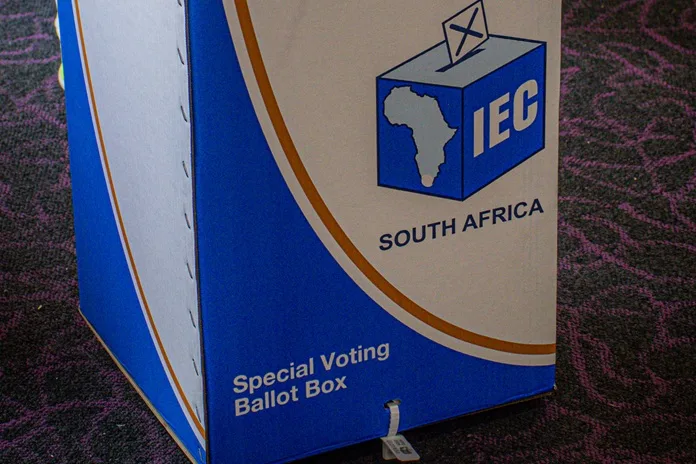
MIDRAND, Gauteng – With the 2026 local government elections set for November 4, the Electoral Commission of South Africa (IEC) has sounded the alarm on youth engagement, disclosing that over 70% of eligible young voters have yet to register.
The Commission used its national campaign launch in Midrand to unveil a comprehensive strategy focused on expanding the voters’ roll, countering digital disinformation, and navigating an increasingly polarized political landscape. Among the key measures announced was a forthcoming social media code of conduct to help the IEC address the spread of false information online during the election cycle.
Dr. Victor Shale, Deputy Chief Electoral Officer for Community Outreach at the IEC, emphasized the Commission’s commitment to reaching citizens across all platforms. “We capitalize on the youth dividend with targeted messaging to ensure more young people join the voters’ roll,” Dr. Shale said. He acknowledged the significant challenge posed by widespread disinformation and confirmed the IEC is working alongside civil society organizations to limit its harmful effects. Dr. Shale also noted that, despite growing mistrust toward state institutions, the Commission’s strategy of maintaining accessibility and responsiveness has already yielded increased voter registration numbers.
The backdrop to the 2026 elections includes a Government of National Unity at the national level and an expanding field of political competitors. Several smaller parties, along with new formations contesting local elections for the first time, are expected to intensify the race.
Speaking on behalf of the African National Congress, the party’s Chief Whip endorsed the IEC’s youth-focused approach. “The future of our country depends on the role played by the youth,” the Chief Whip stated, outlining the ANC’s two-pronged strategy: energizing first-time young voters while reinforcing support among loyal members of the party’s traditional base, particularly those aged 50 and older.
The ANC Chief Whip also reflected on the party’s conduct following the 2024 national elections, when the ANC received roughly 40% of the vote—its lowest result since 1994. “We understood that this is the will of the people of South Africa,” the spokesperson said, underscoring the party’s choice to accept the outcome without dispute. “We have a duty as a governing party to ensure that we support the work of the IEC and to ensure that our country enjoys stability.” The Chief Whip called on all political parties to uphold electoral integrity through responsible words and actions.
Addressing the socioeconomic realities shaping voter sentiment, the ANC representative pointed to persistent challenges including high unemployment, crime, and corruption. “It’s not going to count what we say, especially for the governing party. What matters most is what you do,” the Chief Whip stressed, arguing that tangible, visible progress—not rhetoric—is essential to rebuilding public confidence.
As the countdown to November 2026 begins, the IEC’s nationwide campaign seeks to reverse low youth registration trends, fortify the electoral process against misinformation, and foster a climate where all parties contribute to free, fair, and credible local government elections.

