



- Ocean philanthropy remains small relative to the scale of the ocean itself, accounting for well under 1% of global charitable giving despite steady growth over the past decade.
- Funding is concentrated among a small group of foundations and continues to focus heavily on marine science, habitat protection, and fisheries, though climate-related ocean funding has risen sharply in recent years.
- Most ocean conservation funding needs lie not in creating protected areas, but in the long-term costs of management and enforcement, with current spending far below estimated requirements.
- Philanthropic funding often plays a catalytic role by supporting early-stage research, policy work, and financing mechanisms such as blue bonds and debt-for-nature swaps that can unlock larger pools of public and private capital.
For a realm that covers most of the planet, the ocean attracts a modest share of charitable attention. In philanthropic terms, it remains a niche cause: widely discussed, but thinly financed. That gap has narrowed in recent years, though only slightly and from a low base.
Estimates suggest that ocean-focused philanthropy accounts for well under 1% of global charitable giving, despite the ocean’s role in climate regulation, food production, and trade. In absolute terms, funding has grown. Annual contributions rose from roughly $430 million in 2010 to about $1 billion by 2022, with foundation funding reaching around $1.2 billion in recent years, according to a report published last November by CEA Consulting.

Funding Trends 2025: Tracking the State of Global Ocean Funding estimates that foundation funding grew from roughly $633 million in 2015 before flattening over the past two years. Growth has come from larger commitments by established donors and the entry of new ones, though spending now appears to have leveled off.
The field is concentrated. Very concentrated. A small group of foundations accounts for a large share of grants, often through long-term programs that span countries and issue areas. Smaller donors tend to fund individual projects or organizations, with more limited reach. This structure has provided continuity but also leaves overall funding sensitive to shifts among a few large players.


Most funding still flows toward science, habitat protection, and fisheries management. Marine science receives the largest share, followed by habitat protection and fisheries management. These areas underpin much of ocean conservation. Over the past decade, climate-related funding has expanded quickly, including work on shipping emissions, offshore energy, and marine carbon removal. Funding for ocean-climate work rose from roughly $24 million in 2015 to about $238 million in 2024. Fisheries funding, by comparison, grew far more slowly over the same period. Much of this work still sits within broader climate portfolios rather than within a dedicated ocean-funding stream.
Funding patterns vary sharply by region. North America has received the largest share of philanthropic ocean funding, while many lower-income coastal regions receive less relative to their dependence on marine resources. Funding to these regions has increased in absolute terms, but the overall distribution has changed little. Over the past decade, funding to Africa rose by roughly 110%, while funding tied to the high seas increased by nearly 190%. As a result, the financial, technical, and institutional resources available for marine management vary widely between regions.


Philanthropy sits alongside much larger sources of finance. Public spending, development assistance, and private investment account for most ocean-related funding. The scale of need is far greater. Protecting 30% of the ocean by 2030 is estimated to require about $15.8 billion annually. Most of that would go not toward establishing marine protected areas, but toward managing and enforcing them over time. Estimates suggest roughly $15.2 billion would support ongoing operations, while only about $640 million would cover one-time establishment costs. Current spending on protection is around $1.2 billion per year, leaving a substantial gap.
Within this mix, philanthropic funding often supports work that other sources do not. Early-stage research, policy design, community engagement, and pilot projects can be difficult to fund through commercial or public channels. By backing these areas, donors help prepare projects for larger investment.

Several financing tools illustrate this role. Debt-for-nature swaps and blue bonds, used in countries such as Belize, Barbados, and Ecuador, combine philanthropic support with public and private capital to fund conservation while restructuring debt. Ecuador’s debt conversion in 2023 generated roughly $323 million for marine conservation in the Galápagos. Researchers also note that existing public spending priorities matter as much as new fundraising. Repurposing fuel subsidies and tax exemptions tied to industrial fishing would, on some estimates, cover most of the annual financing required for global ocean protection.
Recent international agreements are likely to increase demand for ocean funding. The High Seas Treaty creates a framework for protecting biodiversity beyond national jurisdiction (BBNJ), creating new funding needs for monitoring and enforcement. At the same time, networks linked to the UN Ocean Decade have begun coordinating philanthropic support for ocean science and data.
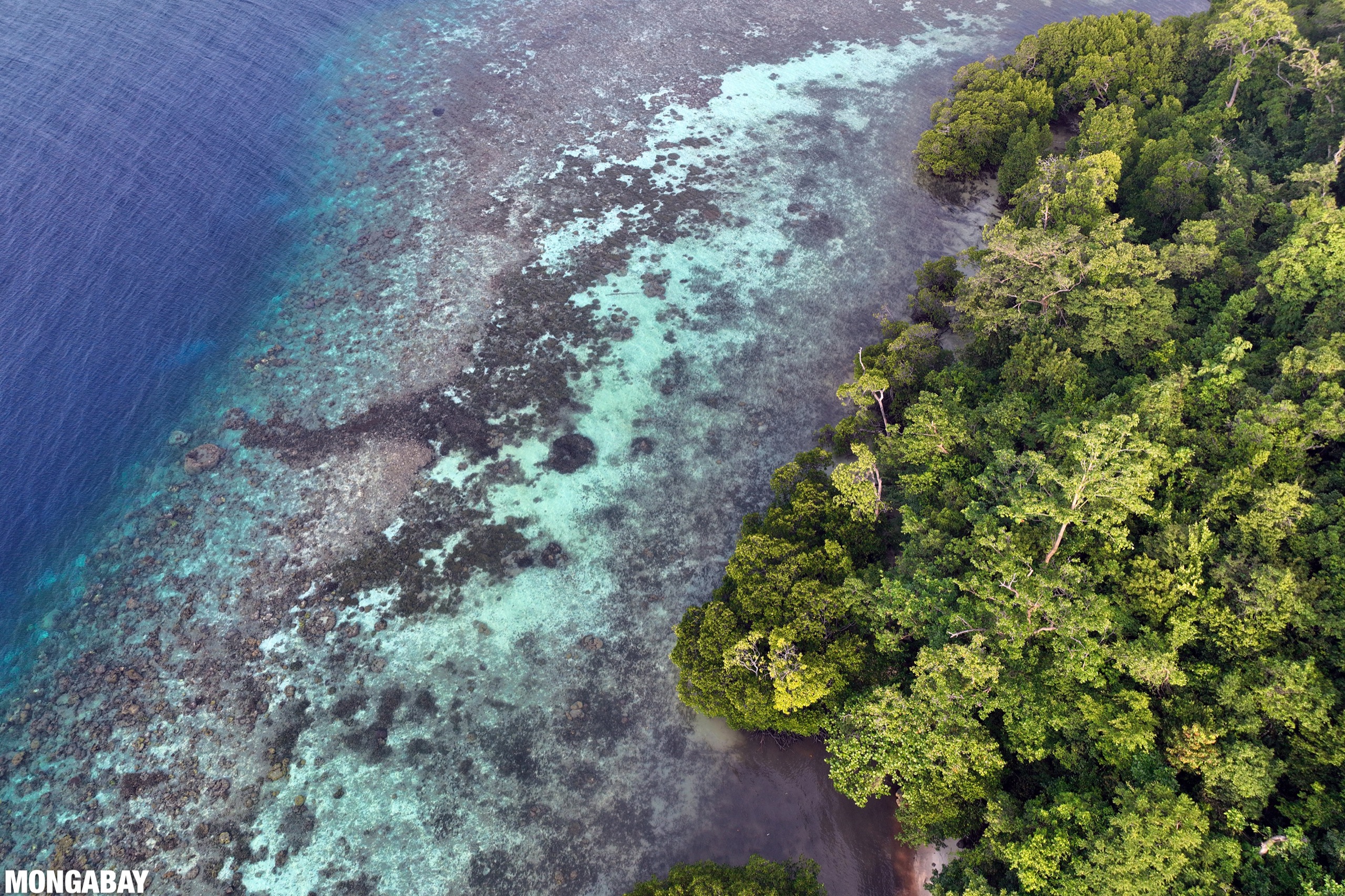
Coastal ecosystems have become more prominent in climate and development discussions. Mangroves, seagrasses, and coral reefs are increasingly discussed in terms of carbon storage, coastal protection, and food security. This has drawn interest from donors outside traditional conservation, though funding decisions continue to compete with a wide range of other philanthropic priorities.
The overall picture is of a sector that has grown but remains relatively small and concentrated. Ocean philanthropy does not provide the bulk of funding for conservation or governance. Its role is narrower: supporting research, coordination, and early-stage work while larger sources supply most capital.
Even with growth, philanthropic funding represents a small share of what is required. New donors are entering, and existing funders are revising their strategies, but change is gradual. For now, the world’s largest ecosystem continues to depend on a relatively narrow base of philanthropic support.
Banner image: Sperm whale. Photo credit: Ellen Cuylaerts / Ocean Image Bank
Other pieces in this series
Coral bleaching: How warming seas are transforming the world’s reefs
Credits

This story first appeared on Mongabay
This article is licensed under a Creative Commons Attribution-NoDerivatives 4.0 International License.
You may republish this article, so long as you credit the authors and Mongabay, and do not change the text. Please include a link back to the original article.

