



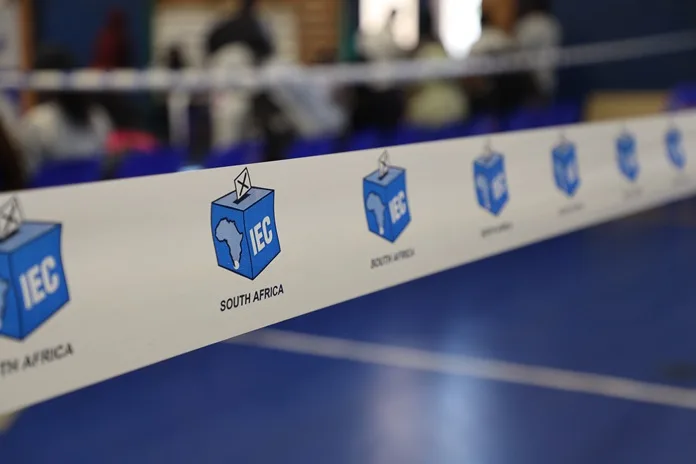
PRETORIA, Gauteng — As the IEC voter registration weekend kicks off, the Independent Electoral Commission has activated 23,706 stations across the country to prepare citizens for the upcoming municipal elections. James Aphane, the General Manager for Electoral Matters, highlighted the extensive two-day drive, urging the public to utilize this opportunity to confirm their registration status and update their personal information.
The logistical push is particularly critical this year due to recent alterations in ward boundaries and the creation of new voting districts designed to improve civic access. Aphane stressed that because of these geographical shifts, it is vital for every eligible citizen to verify that they are registered in the correct ward before the November 4 voting date.
Despite facing ongoing demographic challenges, the electoral body has recorded a positive trajectory in civic participation. The national voters’ roll currently stands at 28 million, an increase from the 27.7 million recorded in 2024. Aphane pointed out that this 6% overall growth is highly encouraging, especially because it successfully offsets a 5% reduction caused by the monthly loss of approximately 34,000 individuals from the roll.
While the bulk of this recent registration surge comes from adults over the age of 35, the Commission is aggressively targeting a younger demographic to close the remaining participation gap. South African law allows citizens to register to vote at 16, provided they turn 18 by the November 4 election day. To reach the crucial 16-to-19 age bracket, the IEC has deployed a multi-channel strategy. This includes robust social media campaigns, online registration portals, school visits, and direct interventions at tertiary institutions where students are actively employed to assist their peers with the registration process.
Addressing the socio-economic frustrations that often deter young people from the ballot box—such as unemployment, lack of economic opportunities, and poor service delivery—Aphane offered a compelling message on civic action. Noting that the nation is currently commemorating the 50th anniversary of the historic June 16 youth uprising, he drew a distinction between historical protests and modern democratic tools.
While acknowledging that protesting remains a constitutionally protected right, Aphane argued that taking to the streets to burn tires is less effective than exercising electoral power. He emphasized that the most direct way to hold leaders accountable for service delivery is to ensure your name is on the voters’ roll and casting a ballot for preferred candidates.
Furthermore, Aphane reminded the youth that electoral participation extends beyond just casting a vote. Once an individual is 18 and registered, they are fully qualified to stand for public office themselves. Whether choosing to join an established political party or stepping forward as an independent candidate, running for local government offers a direct avenue to enact the very changes their communities are demanding.

