



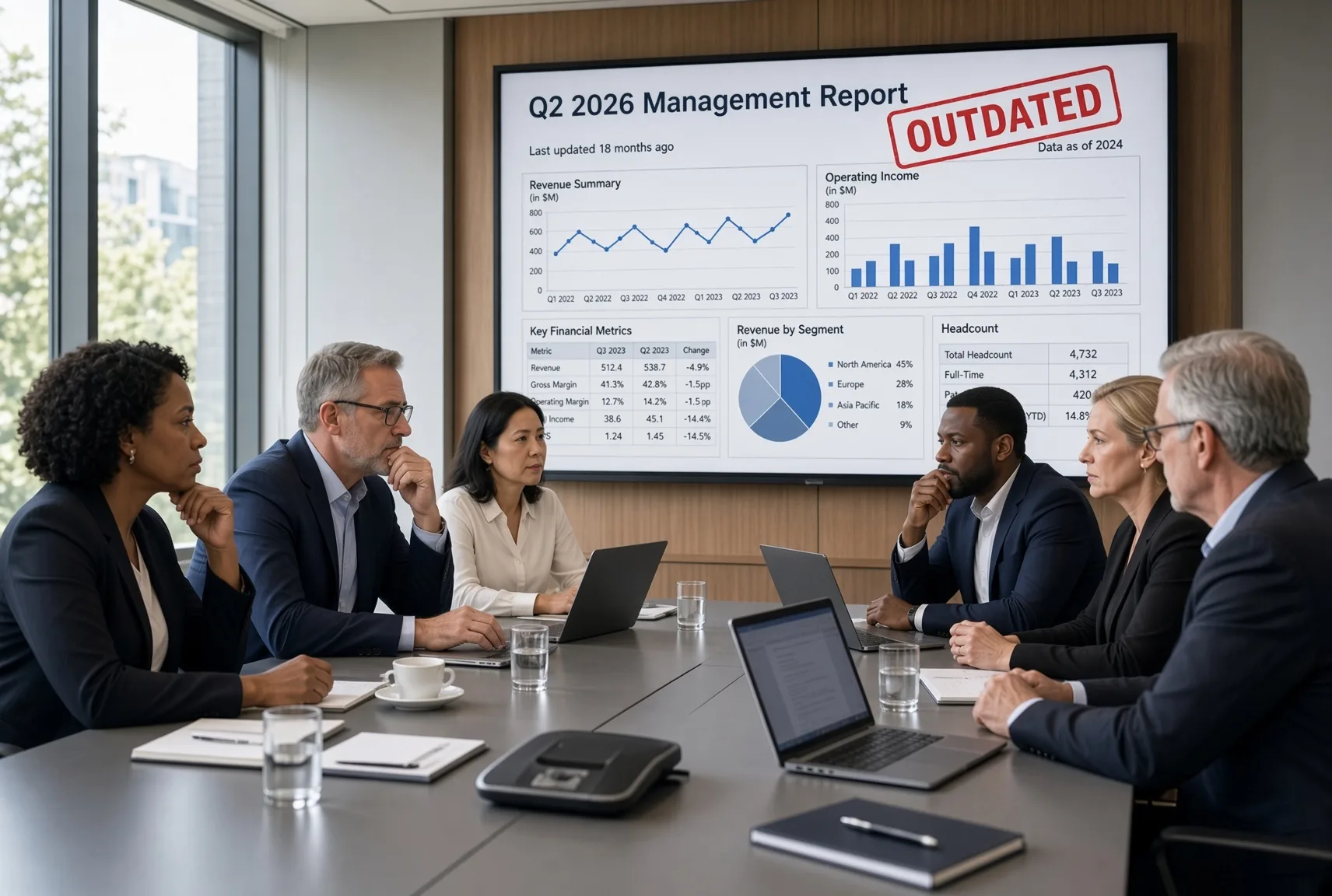
Organisations need real-time alerts and answers — even on WhatsApp
Keith Levenstein, MD of ET Artificial Intelligence Systems, says CEOs no longer have to fly blind between reporting cycles
Most organisations generally have a mountain of data at hand such as staff records, customer lists, sales, expenses, emails, complaints, stock levels and supplier details, but analysed only monthly, quarterly or annually. By then, minor issues that should have been addressed timeously could have been prevented if alerted earlier.
Delays are no longer necessary, according to Keith Levenstein, Managing Director of Johannesburg-based ET Artificial Intelligence Systems. “The data reported on at the end of a reporting cycle is most likely outdated and if a problem is highlighted it should have been acted on much earlier.”
“Exco and Board meetings do generally look at outdated management reports which provide historical and not current data, as of today. Real-time alerts could even turn a monthly or quarterly loss into a profit.
“Why not immediately cross-check diesel expenses against new drivers? Mileage travelled against truck loads? Staff turnover against new customers? Track the traffic to the organisation’s website this week compared with last month? Where is the majority of traffic going to on the website. Where are visitors falling off the website?
Ask in plain English, get answers
Once an AI model is set up and has secure access to a company’s data, a CEO can simply speak or type everyday questions into WhatsApp for example:
- “Give me a graph of sales over the past six months compared to staff turnover.”
- “Which branch sales are down and in which regions?”
- “Compare profits to diesel prices.”
- “Show tyre-damage costs by driver and by region.”
- “Has our VoIP system actually saved money — and are there complaints about it?”
- “Customer support queries versus Google reviews.”
“The answers appear instantly on a screen, tablet or phone, even via WhatsApp,” Levenstein says. “You don’t have to wait for month-end or year-end. You don’t have to use the same standard, outdated Excel spreadsheet and graphs. You can ask almost anything, when you need it.”
See the problem before it becomes a crisis
Levenstein cites the well-known Second World War story of damaged bombers. Engineers first reinforced the areas where returning aircraft showed bullet holes. Then someone pointed out they should reinforce the places that showed no damage, because planes that were hit in those sections of the bombers never returned from their flight.
Would AI have picked that up, Levenstein asks. “Potentially yes, but only if the relevant data existed and the question was framed properly. The same applies to business. Real-time analysis and alerts let you pick up issues as they happen, before they become a problem when it could be too late or too expensive to correct.”
Levenstein concludes that no matter how large the data set, AI is able to analyse it. Token costs are modest compared with the cost of discovering a problem weeks or months after it started.
About ET Artificial Intelligence Systems
ET Artificial Intelligence Systems is a Johannesburg AI consultancy headed by IT veteran Keith Levenstein. The company helps businesses implement practical AI, including data analysis, custom chatbots and agents, customer-support solutions and staff training, enabling everyday business data to become usable in real time.
Media contact: Keith Levenstein, Managing Director ET Artificial Intelligence Systems Tel / WhatsApp: 083 634 9393
Email: [email protected]

