



According to the Kenya National Bureau of Statistics (KNBS) 2026 Economic Survey, Kenya created 822,100 new jobs in 2025, with 716,800, or 87.2 percent, coming from the informal sector. At the same time, formal employment stood at 3.5 million, including 2.2 million people employed in the private sector. For small and medium-sized businesses, which form an important part of Kenya’s private-sector employment base, these figures highlight the importance of building productive and resilient workforces. The health and wellbeing of employees are therefore closely linked not only to the performance of individual SMEs, but also to the resilience and growth of Kenya’s wider economy.
Employee healthcare can appear to be an expense that must compete with salaries, rent, taxes, technology and the rising cost of doing business. When margins are under pressure, it is tempting to ask whether medical cover is something a business can afford. The better question is whether a business can afford not to invest in the health of its people.
There is another side to the equation: presenteeism. An employee does not have to be absent to be unproductive. Someone dealing with untreated pain, anxiety, fatigue or another health problem may still report to work but struggle to perform effectively. Healthcare therefore belongs in the productivity conversation.
The Kenyan context makes this even more relevant. The latest World Bank data, based on the WHO Global Health Expenditure Database, shows that out-of-pocket payments remain a significant component of healthcare spending in Kenya. For employees and their families, an unexpected medical bill can quickly become a significant financial burden. When employees are forced to choose between seeking treatment and meeting household expenses, illness can be allowed to worsen. A condition that could have been managed through an outpatient consultation may eventually require more costly intervention.
This is why businesses should think beyond the traditional idea that medical insurance is simply an employee benefit. An established SME does not necessarily need to replicate the benefits package of a multinational. It can instead assess the health needs of its workforce and select solutions that provide meaningful access to primary and outpatient care, specialist services, diagnostics, screening and mental-health support.
For businesses with senior executives, internationally mobile employees or operations extending beyond Kenya, however, the healthcare conversation may need to go further. Local private health insurance in Kenya can provide valuable protection, but employees who regularly travel, work across borders or require access to healthcare in different countries may have more complex requirements.
At this point, International Private Medical Insurance (IPMI) can provide an important additional layer of protection. IPMI is designed to give individuals and organisations access to private healthcare across multiple countries, depending on the scope of their chosen plan. For companies operating regionally, it can provide greater continuity for executives and employees whose professional and personal lives extend beyond a single market. This is particularly relevant as businesses become increasingly connected across East Africa. Companies with employees or directors working across the region may need to consider healthcare solutions that reflect this mobility.
Technology can also help. Telemedicine and digital health services can reduce unnecessary travel and waiting time while helping employees obtain advice earlier. Health programmes can similarly identify risks before they become expensive medical events.
There is also a human argument that should not be lost in the financial calculations. Employees are not simply units of labour. They are parents, spouses, caregivers and members of communities. When an employer helps an employee access healthcare, the benefit often extends beyond the workplace to an entire household.
This matters increasingly in the competition for talent. Established SMEs and growing businesses may not always be able to compete with larger organisations on salary alone. A well-designed benefits package can help them attract and retain people who value security, wellbeing and meaningful support for themselves and their families.
For senior executives and internationally mobile employees, the quality and geographical scope of healthcare support can be particularly important. For business owners and corporate decision-makers, the question is therefore not simply whether to provide medical insurance, but whether the solution is appropriate to the people, ambitions and geographical footprint of the organisation, providing access to appropriate treatment, specialist services and international networks while giving employees confidence that their healthcare needs will be supported wherever their work takes them.
The case for investing in employee healthcare is therefore both economic and human. Kenya’s established businesses are operating in an increasingly competitive environment, where retaining experienced people, protecting productivity and maintaining business continuity are critical to long-term success.
The smartest businesses will recognise that employee healthcare is not simply a cost to be managed. It is an investment in the people, resilience and capability that make sustainable growth possible.
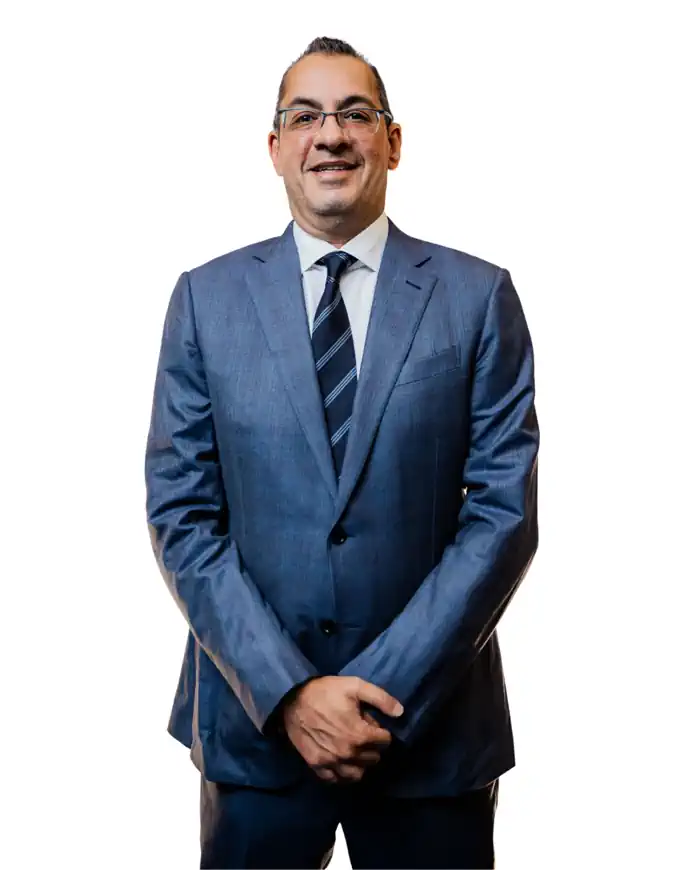
Opinion by Aly S. Maherali, Chief Executive Officer, Executive Healthcare Solutions (EHS)
About Executive Healthcare Solutions (EHS)
Executive Healthcare Solutions (EHS) is a leading provider of International Private Medical Insurance (IPMI) solutions across Sub-Saharan Africa. Executive Healthcare Solutions (EHS) connects individuals, families, expatriates, and organizations with flexible, premium healthcare coverage and access to a global network of healthcare providers. Guided by its promise of “Global Presence, Local Knowledge,” EHS combines regional expertise with international healthcare capabilities to deliver seamless access to quality medical care worldwide. Through strategic partnerships and a commitment to trust, innovation, customer excellence, and compassion, EHS provides tailored health insurance solutions that offer peace of mind and financial protection.
For more information, visit https://www.executive-healthcare.com/

