



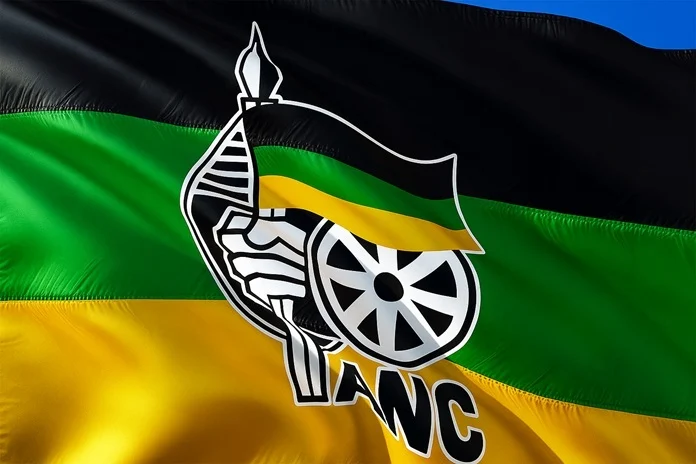
NELSON MANDELA BAY, Eastern Cape — The African National Congress (ANC) is intensifying its campaign to secure an outright majority in the Nelson Mandela Bay local government elections, seeking to end nearly a decade of coalition politics and instability in the metro. Since losing its sole governing mandate in 2016, the municipality has been characterized by fragile alliances, prompting the party to prioritize a decisive voter mandate to streamline governance and service delivery.
The push for a majority comes amid notable internal pressures within the provincial party structure. Recent months have seen multiple court interventions, including a collapsed and interdicted provincial conference, alongside ongoing legal matters at the Makhanda and East London High Courts. Further complicating matters, the Eastern Cape was one of the provinces most affected by recent Independent Electoral Commission (IEC) candidate list controversies. Provincial Secretary Mukai Tobi has faced internal criticism for allegedly submitting the proportional representation (PR) list candidate names a mere 29 minutes before the deadline.
Despite these internal hurdles, ANC regional chairperson Babalwa Lobishe remains confident in the party’s grassroots support. Addressing concerns about prominent local political figure Andile Lungisa missing from the final PR candidate list, Lobishe stated that the move has not sparked backlash during door-to-door campaigns.
“The members of the public are quite receptive to the decisions of the ANC,” Lobishe explained, noting that the Nelson Mandela Bay electorate possesses a high level of political consciousness. “They have the ability to understand that deployment is not an entitlement, and whatever decision the ANC makes is well thought out.” Lobishe confirmed that no other candidates were adversely affected by the PR list submissions.
The party is also navigating complex coalition dynamics. During the recent State of the Metro address, several coalition partners were notably absent. However, Lobishe dismissed suggestions that this was a political snub or a sign of disunity. He emphasized that all coalition parties were briefed at a mayoral level beforehand and that the poor attendance reflected scheduling commitments rather than dissent. More importantly, he noted that residents received the address well and have since provided constructive inputs.
Beyond political maneuvering, the incoming administration will face severe service delivery expectations. The Nelson Mandela Bay metro is extensive, encompassing distinct towns like Kariega and Despatch, alongside larger township areas. Local reports indicate that Kariega and Despatch residents frequently feel neglected, perceiving that municipal focus is disproportionately centered on the metro’s largest areas.
The most pressing challenges include recurring, often unannounced, water and electricity outages. In areas such as KwaNobuhle, residents frequently experience alternating utility failures, and in some cases, a complete loss of both services simultaneously. Additional compounding issues include raw sewage flowing through streets, systemic failures in refuse collection leading to illegal dumping sites, and widespread water leaks. The leak crisis has been exacerbated by a lapsed contract, leaving only one service provider currently tasked with managing repairs across the entire metro.
These persistent service delivery failures have fueled widespread criticism of the recent State of the Metro address from both residents and opposition parties, who argue that basic infrastructure must be stabilized before ceremonial addresses can hold meaningful value.
Acknowledging these systemic hurdles, ANC Eastern Cape has pointed directly to the current coalition framework as a primary bottleneck. It was emphasized that the multi-party arrangement has made passing budgets and executing swift, decisive governance exceptionally difficult. It is this legislative gridlock, the party argues, that makes securing an outright majority from the people of Nelson Mandela Bay not just a political ambition, but a practical necessity to resolve the metro’s deep-rooted challenges.

