



Johannesburg, Republic of South Africa (21 September 2026): Across South Africa, young people continue to call for dignity, equality and recognition. Their experiences on the ground show that much remains unfinished, particularly in how we respond to HIV and youth health.
Young people continue to face systemic barriers to HIV prevention, testing, and treatment. Stigma in clinics, judgment from healthcare workers, and persistent misinformation drive many away from services. Some travel long distances to seek care anonymously. Many simply do not test.
This is not a behavioural issue – it is a policy failure.
If South Africa is serious about ending AIDS as a public health threat, it must confront the structural barriers that exclude young people. That means scaling up youth-friendly services, enforcing non-discriminatory standards in clinics, and ensuring confidential, accessible HIV testing and treatment at the community level. It also means investing in comprehensive sexuality education that moves beyond outdated abstinence-only messaging and equips young people with practical, relevant knowledge.
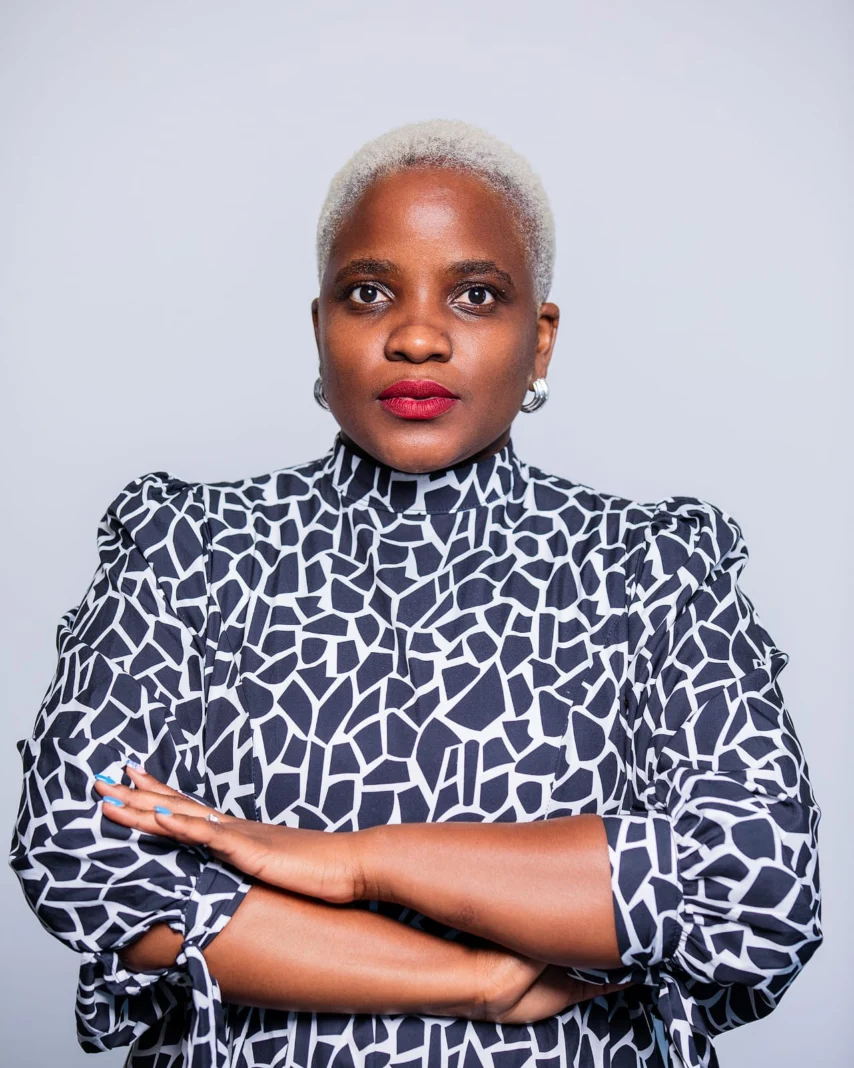
“Young people are increasingly taking up space,” says Ngaatendwe Murombedzi, Regional Advocacy and Policy Manager at the AIDS Healthcare Foundation. “A ‘nothing for us without us’ approach positions youth not as passive recipients, but as informed co-creators. Health and education are two pillars South Africa must invest in.”
Young people themselves are clear about what needs to change.
“Sexual health should not be treated as shameful,” says 17-year-old Palesa Tsotetsi from Ratanda. “We need safe spaces where young people can speak openly without fear.”
In the Eastern Cape, Silindokuhle Soshankane echoes this call: “Young people want to be heard without being judged. We need clinics where healthcare workers treat us with respect.”
These are not abstract demands—they are actionable policy priorities. Governments must train and hold healthcare workers accountable, integrate peer-led services, and expand community-based and digital platforms that meet young people where they are. Without this, late diagnoses, untreated infections, and preventable transmissions will persist.
Misinformation remains a major barrier. “Nothing beats the power of education,” says Neliswa Maneli, 23. “But it must reach young people where they are.” This requires sustained investment in evidence-based HIV communication, particularly through digital channels that shape youth engagement today.
These realities sharpen a broader truth: Africa’s greatest asset is its people- and most of them are young.
The continent’s demographic dividend offers a narrow window for economic transformation. But it is not automatic. Without a healthy, educated, and empowered youth population, that opportunity will be lost.
Realising Agenda 2063 depends on choices made now. Investment in health – particularly HIV response – is not a social add-on; it is foundational economic policy. A generation locked out of healthcare cannot drive productivity, innovation, or growth.
Yet health is only one part of the equation. Education systems must also catch up with reality. Young people are navigating complex challenges – from gender-based violence to economic inequality – yet curricula often remain outdated and disconnected. Honest, inclusive, and practical education is essential.
At the same time, basic dignity remains uneven. While condoms are increasingly accessible, menstrual health products remain out of reach for many. As Tsotetsi puts it, “Going on your period is not a choice.” Policy responses must reflect that reality.
If Africa is to harness its demographic dividend, it must act decisively. This means fully funding youth health services, embedding youth voices in policy design, and treating HIV response as a cross-sector priority – not a siloed issue.
The message from young people is clear: they have always led change. The question now is whether leadership will match their urgency with action.
These conversations cannot end in reflection alone. They must mark a shift – from symbolism to implementation, from promises to accountability.
Young people are not just the future of Africa. They are its present.
The real question is whether we are prepared to invest in them accordingly.
About AIDS Healthcare Foundation (AHF): is a global non-profit organisation providing cutting-edge medicine and advocacy to more than 2.8 million people in 50 countries worldwide in Africa, the Americas, the Asia/Pacific Region, and Europe. We are currently the largest non-profit provider of HIV/AIDS medical care in the world. To learn more about AHF, please visit our website: www.aidshealth.org, find us on Facebook: www.facebook.com/aidshealth and follow us on X: @aidshealthcare and Instagram: @aidshealthcare.
The AHF Global Public Health Institute develops and advocates for evidence-based policy change to create a more equitable and effective global health architecture. With a focus on infectious diseases and health systems, our work addresses critical gaps in global health security, equity, governance, law, and finance. The AHF Global Public Health Institute is part of the AIDS Healthcare Foundation. Visit our website for more information: ahfinstitute.org

