



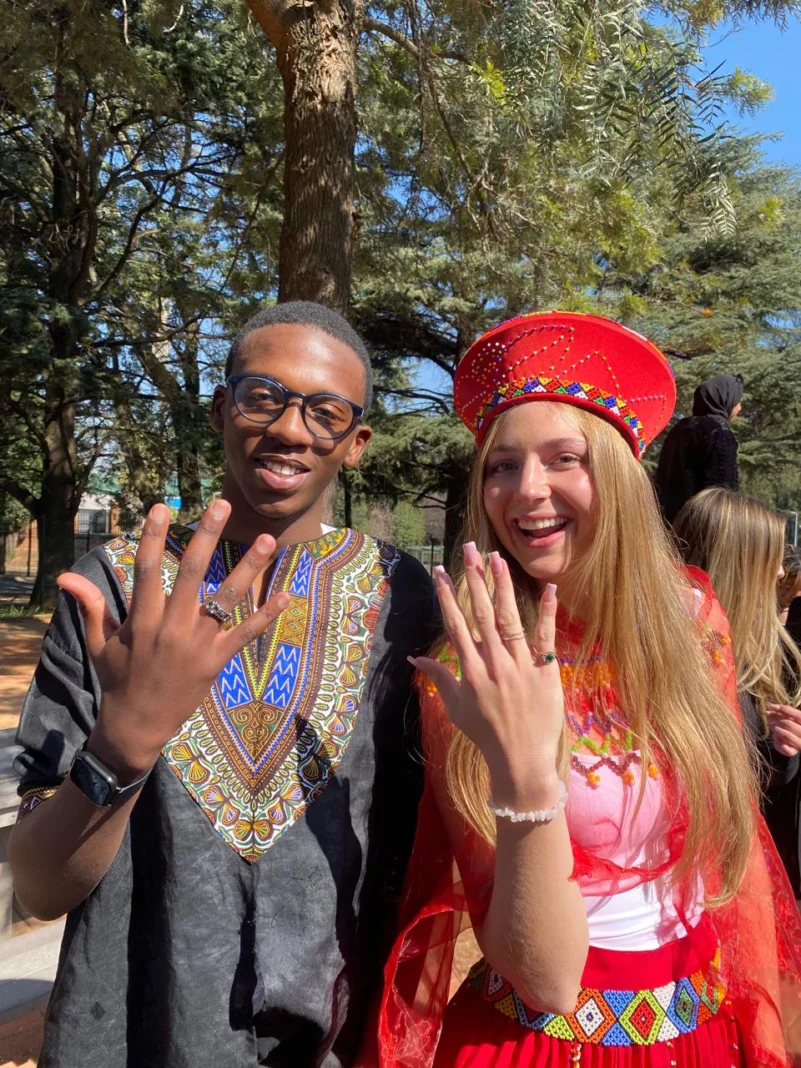
Schools play an important role in helping young people understand their identity, value diversity and build a more inclusive future.
Heritage is far more than the clothing people wear, the food they prepare or the languages they speak. It lives in family stories, values, traditions and experiences passed between generations. Schools can help students uncover these connections while creating spaces where every identity is respected and every story is valued.
“Many young people may not fully understand the importance of knowing where they come from or the role their heritage plays in shaping who they are,” says Sudeshan Moodley, Executive Head of Pinnacle College Founders Hill.
“Understanding our roots gives us a stronger sense of identity and helps us appreciate the values, traditions, stories and experiences that have shaped our families and communities.”

Parents often face significant economic and social pressures, leaving limited time to explore family histories with their children. Schools are well positioned to support families by bringing heritage into lessons, assemblies, cultural activities, creative projects and everyday conversations.
Pinnacle Colleges recognises that students come from different cultural, linguistic, religious and family backgrounds. Academic, cultural and extracurricular programmes provide opportunities for students to express their identities while learning about the experiences of others.
Home language remains one of the most powerful links to culture. It carries memories, knowledge and traditions that connect young people to their families and communities.
“Language can play an important role in developing confidence and helping young people understand and express who they are,” explains Moodley. “Learning about other languages also creates opportunities for connection and mutual respect, particularly in a country as linguistically diverse as South Africa.”

Meaningful heritage education must move beyond surface-level celebration. Pinnacle College Founders Hill’s Primary School celebrates Language Week annually. This year, students representing 18 languages shared greetings during a special assembly. Students then used their breaks to connect with one another through the languages they had encountered, transforming language into a shared experience.
High School students explored their personal and cultural heritage through a dedicated exposé in 2026. Their research examined the family, religious, linguistic, historical and cultural influences that contribute to their identities.
The Primary Schools Heritage Day theme: “Know Your Story. Share Your Story. Shape the Future”, encourages students to investigate the meaning behind their traditions. Family interviews, storytelling, heritage projects, recipes, photographs and cultural games can all bring these histories to life.
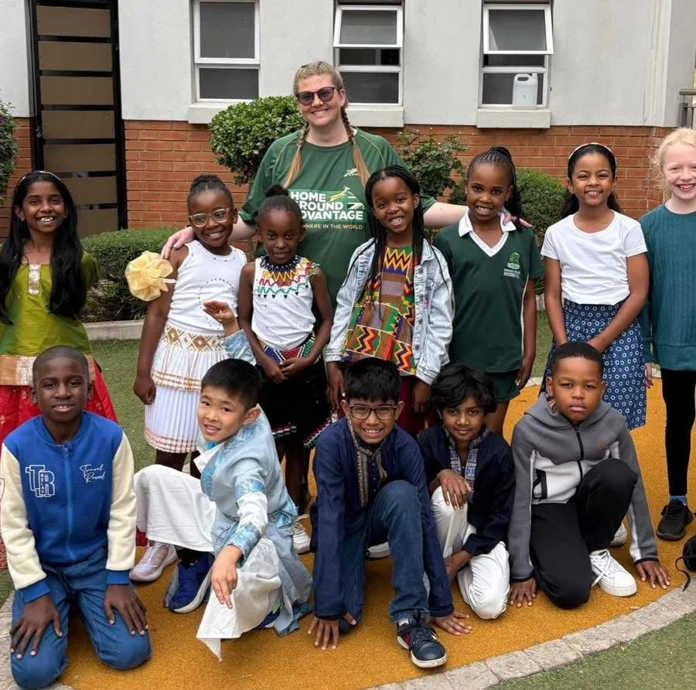
Technology offers further possibilities. Students can record conversations with grandparents, produce podcasts, create digital family trees, develop multimedia exhibitions or document traditional music and languages. Such projects position young people as creators and storytellers who can preserve valuable knowledge for future generations.
Inclusivity remains essential. Teachers should avoid stereotypes, use resources that reflect the diversity of their communities and ensure that no student feels expected to represent an entire cultural group.
“The key is to celebrate people rather than labels,” says Moodley. “A student’s culture should be recognised as an important part of a much broader identity.”
Heritage education should also provide an honest, balanced and age-appropriate understanding of South Africa’s history. Celebrating national achievements cannot mean ignoring painful chapters from the past. Thoughtful engagement can help students understand the origins of social divisions while recognising progress and considering their role in building a better future.
Listening to classmates’ stories teaches students that difference does not have to create distance. Although languages, traditions and family histories may differ, shared values such as respect, love, resilience, community and education frequently emerge.
“South Africa’s strength lies in its diversity, but diversity only becomes a strength when we take the time to understand and value one another,” Moodley concludes.
Heritage Day offers schools an opportunity to turn celebration into meaningful learning. Students who understand their own stories and respect the stories of others are better equipped to become confident custodians of South Africa’s past and thoughtful authors of its future.

