



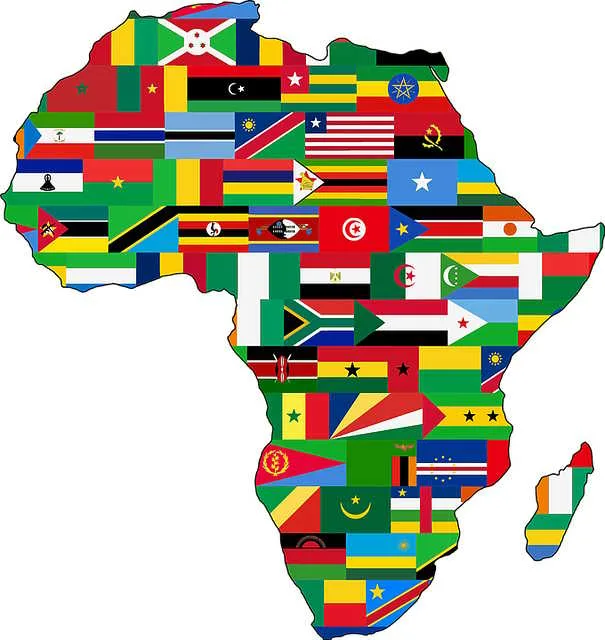
The video titled “How Every US President Destroyed Africa Explained in 21 Minutes” by Mr Revealed provides a Critical analysis of U.S. foreign policy in Africa, highlighting how each president from Dwight D. Eisenhower to Joe Biden contributed to destabilization, exploitation, and suffering across the continent. The overarching theme is that U.S. actions in Africa have been driven by Cold War geopolitics, economic interests, and counterterrorism, often at the expense of African lives, sovereignty, and development. The video purported the U.S. presidents supporting dictators, fueling conflicts, and prioritizing Western dominance over African self-determination.
Detailed Analysis by President:
Dwight D. Eisenhower (1953–1961)
- Key Actions: Eisenhower’s administration is criticized for its role in the assassination of Patrice Lumumba, the first democratically elected Prime Minister of the Democratic Republic of Congo (DRC). Lumumba’s anti-colonial stance and willingness to seek Soviet support alarmed the U.S., leading to CIA-backed efforts to remove him.
- Impact: Lumumba’s assassination in 1961 paved the way for Joseph Mobutu’s dictatorship, which was supported by the U.S. and allowed Western exploitation of Congo’s mineral resources. Eisenhower’s policies also supported European colonial powers, such as France in Algeria, prolonging African suffering under colonial rule.
- Legacy: Eisenhower’s Cold War-driven interventions set a precedent for U.S. support of authoritarian regimes in Africa, prioritizing anti-communism over African self-determination.
Richard Nixon (1969–1974)
- Key Actions: Nixon’s administration supported apartheid South Africa, provided aid to Mobutu in the DRC, and backed Portugal’s colonial wars in Angola, Mozambique, and Guinea-Bissau. Nixon also secretly funded Jonas Savimbi’s UNITA rebels in Angola, sparking a devastating civil war.
- Impact: Nixon’s policies prolonged apartheid, bolstered dictators like Mobutu, and fueled conflicts that killed hundreds of thousands. His support for UNITA destabilized Angola for decades.
- Legacy: Nixon solidified the U.S. habit of supporting oppressive regimes in Africa to counter Soviet influence, often at the expense of African lives and democratic movements.
Ronald Reagan (1981–1989)
- Key Actions: Reagan openly supported apartheid South Africa, vetoing sanctions and labeling Nelson Mandela a terrorist. His administration funded UNITA in Angola and RENAMO in Mozambique, both of which committed atrocities.
- Impact: Reagan’s policies prolonged apartheid, fueled civil wars, and caused widespread suffering. The Angolan civil war, supported by the U.S., killed over 500,000 people and displaced millions.
- Legacy: Reagan’s “constructive engagement” policy with apartheid South Africa and his support for rebel groups left lasting scars on Africa, contributing to instability and underdevelopment.
Bill Clinton (1993–2001)
- Key Actions: Clinton’s administration failed to intervene during the 1994 Rwandan genocide, blocked UN peacekeeping efforts, and bombed a pharmaceutical plant in Sudan, falsely claiming it produced chemical weapons.
- Impact: The Rwandan genocide resulted in 800,000 to 1 million deaths, while the Sudan bombing caused severe medical shortages and tens of thousands of preventable deaths. Clinton also continued exploitative IMF and World Bank policies.
- Legacy: Clinton’s inaction in Rwanda and destructive policies in Sudan highlighted the U.S. prioritization of strategic interests over African lives.
George W. Bush (2001–2009)
- Key Actions: Bush launched AFRICOM (U.S. Africa Command) and supported Ethiopia’s invasion of Somalia, which destabilized the region and led to the rise of Al-Shabaab. His administration also expanded counterterrorism operations in the Sahel.
- Impact: Bush’s militarization of Africa exacerbated conflicts, increased civilian casualties, and entrenched U.S. military presence. His economic policies continued to exploit African resources.
- Legacy: Bush’s counterterrorism focus worsened instability and made African nations more dependent on U.S. military aid.
Barack Obama (2009–2017)
- Key Actions: Obama authorized NATO’s 2011 intervention in Libya, leading to Muammar Gaddafi’s overthrow and the country’s collapse into chaos. He also expanded drone warfare across Africa.
- Impact: Libya’s destabilization created a power vacuum, leading to slave markets, terrorist strongholds, and regional instability. Drone strikes caused significant civilian casualties.
- Legacy: Despite being the first African-American president, Obama’s policies perpetuated violence and economic exploitation in Africa, undermining hopes for a more equitable relationship.
Donald J. Trump (2017–2021)
- Key Actions: Trump escalated drone strikes in Somalia, slashed humanitarian aid, and supported authoritarian leaders like Paul Biya in Cameroon. He also withdrew U.S. troops from Somalia in a chaotic manner.
- Impact: Trump’s policies increased civilian casualties, worsened food and health crises, and strengthened extremist groups like Al-Shabaab. His racist rhetoric further damaged U.S.-Africa relations.
- Legacy: Trump’s militarism and neglect left Africa more unstable and vulnerable, with little regard for African lives or development.
Joe Biden (2021–2025)
- Key Actions: Biden reinstated U.S. troop presence in Somalia, escalated drone strikes, and expanded AFRICOM’s operations. He also continued exploitative IMF and World Bank policies.
- Impact: Biden’s policies have led to civilian casualties, increased anti-Western sentiment, and further destabilization in regions like the Sahel. His support for authoritarian leaders undermines U.S. claims of promoting democracy.
- Legacy: Despite campaign promises, Biden’s policies have largely continued the militarized and exploitative approach of his predecessors, showing little change in U.S. foreign policy toward Africa.
Conclusion:
The video paints a damning picture of U.S. involvement in Africa, accusing every president from Eisenhower to Biden of prioritizing Cold War interests, economic exploitation, and counterterrorism over African sovereignty and development. The cumulative impact of these policies has been decades of instability, conflict, and poverty, with African nations often bearing the brunt of U.S. geopolitical strategies. The video title “How Every US President Destroyed Africa” reflects the critical perspective that U.S. actions have consistently undermined African progress and self-determination.
This video is intended for entertainment and educational purposes only. Please be aware that this video may be oversimplified or inaccurate at some point. This channel was created to filed your curiosity and help you dig into a deeper level of some topics.

