



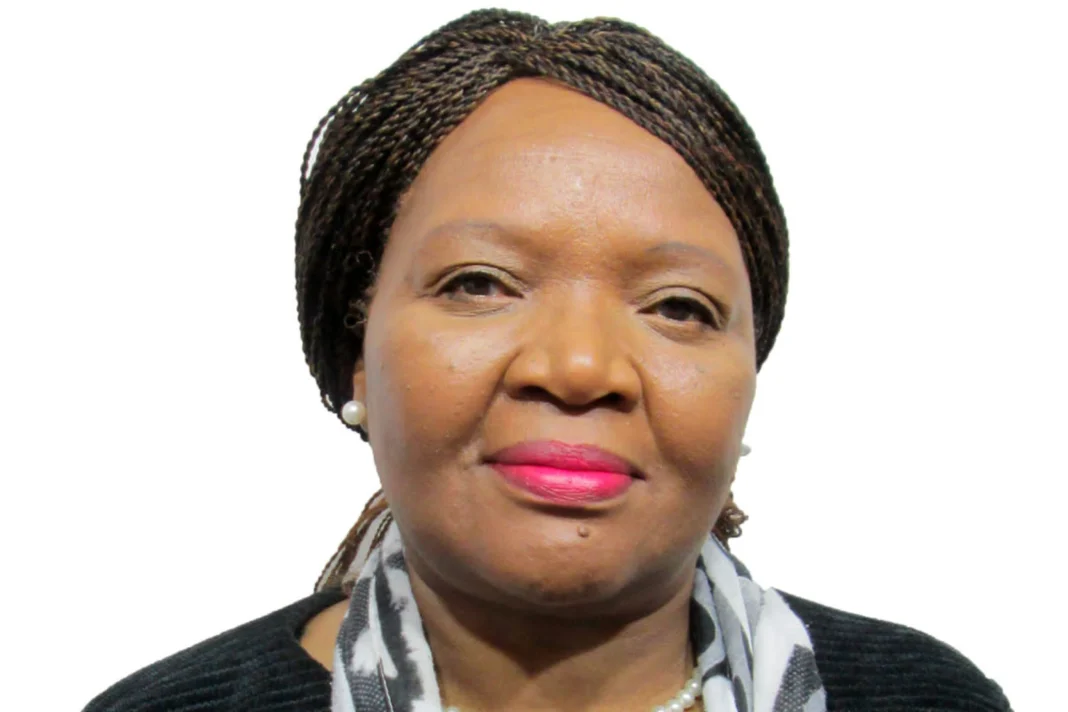
Nomsa Mbatha’s decision to stand as an independent candidate in Johannesburg’s Ward 67 is rooted in years of community activism and a desire to turn that work into tangible change for residents.
A resident, community activist, entrepreneur and grandmother, Mbatha says her involvement in public life began long before she considered standing for elected office.
Born in Dube Village, Soweto, she grew up in a family steeped in community activism and the struggle for justice. As a teenager, she became involved in the 1976 uprising, an experience that ultimately led her into exile.
Her life would later take her to Germany, where she studied Computer Science before changing direction to pursue what she describes as her real passion: food. After obtaining a Diploma in Professional Culinary Arts, she worked as a facilitator and eventually opened a cookery school in Soweto. Following the Covid-19 pandemic, she shifted her focus to event catering.
But community activism remained a constant.
It is this combination of lived experience and grassroots involvement that Mbatha says has shaped her decision to contest Ward 67 as an independent.
The turning point came during a particularly difficult period of electricity disruptions in Yeoville. Residents were subjected to four-hour electricity rotation schedules, leaving them, according to Mbatha, with electricity for only four hours in a 24-hour period.
Rather than accept the situation, Mbatha and other residents organised a peaceful march and collected more than 2,000 signatures for a petition addressed to the Mayor and Gauteng Premier. She says normal electricity supply was restored within a week.
For Mbatha, the experience demonstrated what organised communities can accomplish – but also exposed the limitations residents face when they do not have direct access to the municipal structures responsible for delivering services.
That frustration is at the heart of her candidacy.
She identifies crime, illegal dumping and inconsistent waste collection, water leaks, electricity outages, potholes and illegal land occupation among the challenges requiring attention in Ward 67. Residents, she says, also regularly raise concerns about mugging, rats, blocked drains, sewage spills and deteriorating public spaces.
These concerns are not unique to her campaign. The City of Johannesburg has itself undertaken multi-departmental service-delivery interventions in Ward 67 addressing issues including leaking water infrastructure, potholes, street cleaning, illegal dumping, streetlights, illegal electricity connections and hijacked buildings.
Mbatha’s proposed approach centres heavily on accountability and accessibility.
Among her priorities would be establishing a ward-level fault-tracking system to follow municipal complaints and escalate unresolved problems, conducting a street-by-street audit of infrastructure and service-delivery problems, and introducing regular reporting to residents.
She also wants stronger community participation through street committees, community clean-ups and closer relationships between residents, Community Policing Forums and the SAPS.
But she is careful to distinguish between what a councillor can fix directly and what the position can realistically influence.
A councillor, she says, cannot personally repair a pothole, stop a water leak or restore electricity. The job is to report problems, escalate them through the correct structures, hold officials accountable and ensure residents know what is happening.
That distinction also informs one of the central themes of her independent candidacy: putting community interests ahead of party structures.
“My loyalty is to residents and the Constitution,” she says.
Mbatha describes her leadership style as consultative, hands-on and visible. If elected, she says residents should expect an accessible ward office, quarterly public meetings and regular reporting on both progress and setbacks.
Her ambition for the ward is straightforward: cleaner streets, safer public spaces, functioning infrastructure and a councillor residents can actually reach.
Ultimately, Mbatha says the measure of her success would not simply be winning an election, but whether residents can see tangible change in their neighbourhood.
At the end of a term, she says she would want residents to be able to say that their councillor was reachable, kept the promises within her power to keep, was transparent about those she could not – and left Ward 67 “cleaner, safer and better managed than she found it.”

