



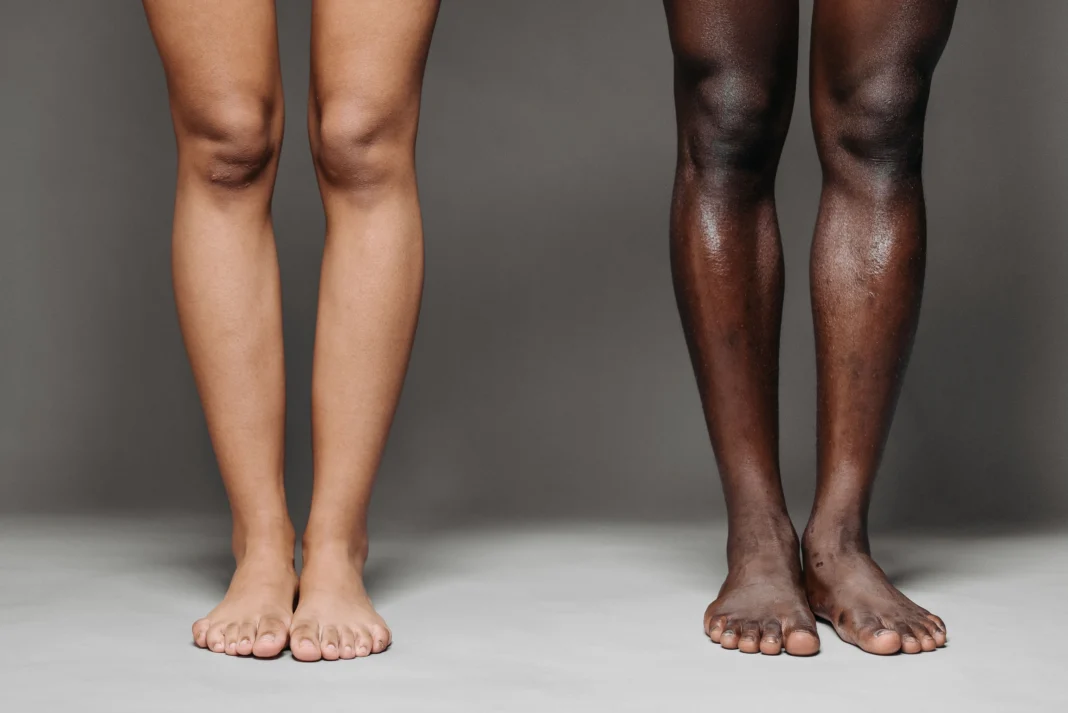
Barefoot Season Is Back. Are Your Feet Ready?
Slops, sandals and barefoot days are making their return. Before summer gets properly underway, there are a few things our feet could probably use some attention for.
You know summer is on its way when South Africans start leaving their shoes at the door.
The days are longer, weekends begin to move outdoors and the braai gets fired up more often. Slops replace closed shoes, children are running around barefoot, and afternoons are increasingly spent around pools, parks and back gardens. After months of socks, boots and closed shoes, our feet are suddenly on show again and being asked to do a lot more.
That change can also make the problems we barely noticed during winter much harder to ignore. A corn starts hurting in a sandal. Dry heels begin to crack. A new pair of slops rubs in exactly the wrong place. Bare feet meet hot paving, rough ground and communal pool areas.
“Foot care is often spoken about as something cosmetic, but it is really about comfort and movement,” says Lynsey Hammond, MD at KROKO. “We spend so much of the day on our feet that even a relatively small problem can become uncomfortable very quickly. The move into summer is a good time to pay attention to anything that has been bothering you rather than waiting for it to get worse.”
This is not about having picture-perfect feet. It is about keeping them comfortable and protected enough to get you through everything summer has planned.
Here are four things worth checking as barefoot season begins.
That corn you ignored all winter
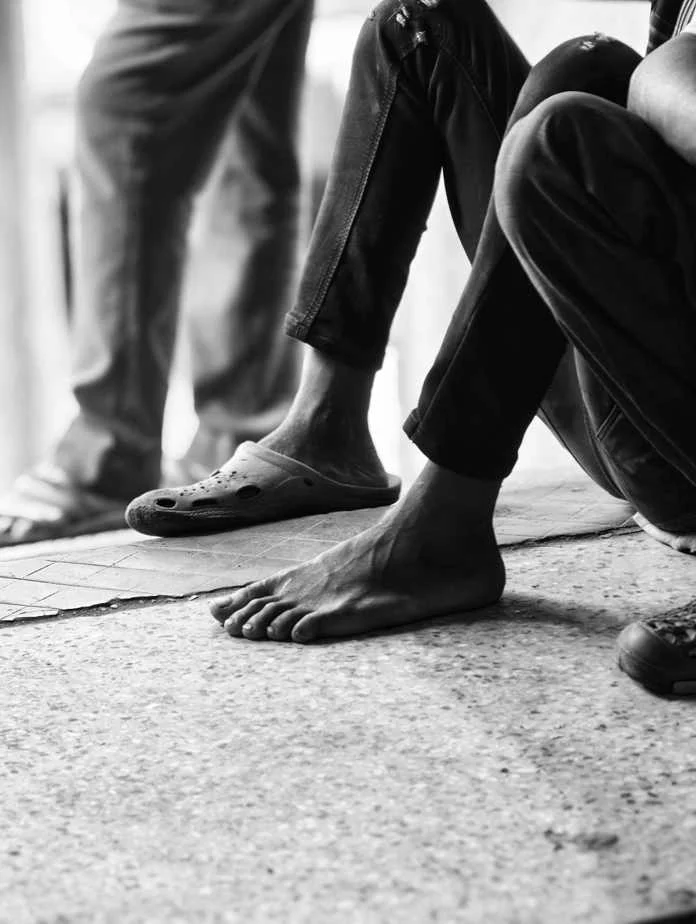
Corns and calluses develop when areas of skin are repeatedly exposed to pressure or friction. Closed shoes may have kept them largely out of sight during winter, but switching to sandals or spending longer periods on your feet can quickly turn a minor irritation into something difficult to ignore.
“Corns can become painful enough to affect how comfortably you walk or stand, particularly if your work keeps you on your feet for long periods,” says Hammond.
Shoes that fit properly and leave enough room around the toes can help reduce pressure, while cushioning can protect areas prone to rubbing. Soaking the feet in warm water can also soften hardened skin before it is gently worked with a pumice stone.
Corn treatments containing salicylic acid are available and should be used according to their directions. Avoid cutting or trying to remove a corn yourself. People with diabetes or poor circulation should seek advice from an appropriate healthcare professional before treating foot problems at home.
Give dry heels some attention before the slops come out
Cracked heels have a habit of going unnoticed when they are tucked away inside winter shoes. Then sandal season arrives.
Dry conditions and a lack of moisture can leave the skin around the heel thickened and prone to cracking. Mild dryness may simply feel rough, but deeper cracks can become uncomfortable and, in some cases, painful.
Regular moisturising helps keep the skin supple, while urea-based foot creams are commonly used for particularly dry or thickened skin. Applying moisturiser before bed and wearing cotton socks can help keep it in contact with the skin overnight.
Deep or painful cracks, inflammation, or skin that does not appear to be healing should be assessed by an appropriate healthcare professional.
Barefoot feels good. Hot paving does not.
After a winter spent mostly in shoes, it is tempting to go straight back to walking barefoot everywhere. Your feet may have other ideas.
Hot paving, rough ground, stones and thorns become part of summer life, while sandals and slops can create friction in areas that have spent months protected by closed shoes.
Give your feet time to adjust and pay attention to where you are walking, particularly on surfaces exposed to direct sun. Sunscreen matters too. The tops of the feet are easy to forget when applying SPF, despite being directly exposed in sandals and slops.
If a blister develops, avoid deliberately popping it. The skin covering the blister helps protect the tissue underneath. Small cuts and abrasions should be cleaned and protected while they heal.
Pools come with more than one reason to wear slops
Public swimming pools, communal showers and changing rooms are part of summer, but so are the warm, damp surfaces around them.
These environments can provide opportunities for the virus associated with plantar warts, commonly called verrucas, to spread. Plantar warts are caused by certain strains of human papillomavirus (HPV), which can be transmitted through direct contact or contaminated surfaces.
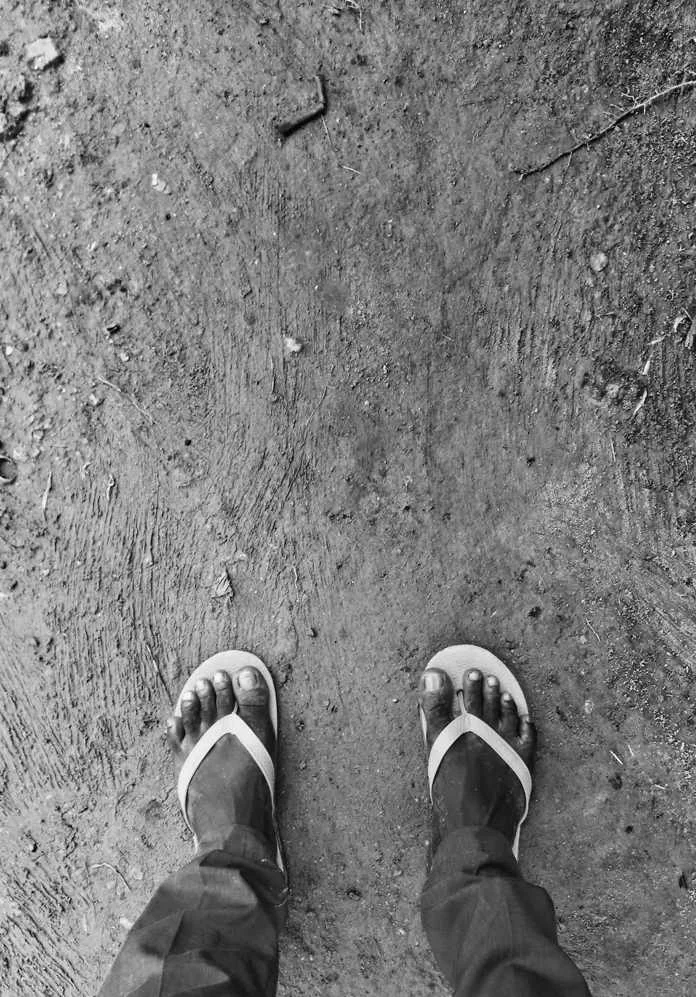
Wearing slops or water shoes around public pools and in communal showers and changing areas is an easy precaution. Over-the-counter treatments are available, but persistent or painful warts, or skin changes you are unsure about, should be assessed by an appropriate healthcare professional.
Summer foot care does not need to become another complicated routine. Often it is simply about noticing the small things before they become the reason you cut an afternoon short.
Check the corn that has been bothering you. Moisturise the heels that have spent winter hidden away. Keep the slops on around communal pools, remember sunscreen on the tops of your feet, and give new footwear a little time before wearing it for an entire day.
After all, there is a lot of summer still to walk through.
For more information about KROKO’s foot and skin care range, visit www.kroko.co.za.

