



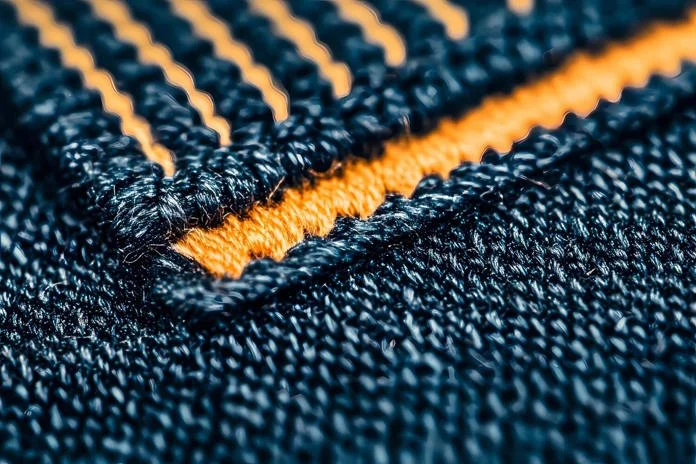
Choosing the right fabrics for professional workwear and uniforms is crucial for both appearance and functionality. The fabric must ensure durability, comfort, and ease of maintenance while maintaining a professional look. The choice significantly impacts the wearer’s performance and safety. Understanding different types of materials available can help in selecting the best options for specific job requirements. Additionally, threads for workwear and uniforms contribute to enhanced garment durability.
Cotton: comfort meets breathability
Cotton is a natural fiber renowned for its comfort and breathability, making it ideal for workwear in warmer climates or indoor settings. Its moisture-wicking properties keep skin dry, reducing discomfort during long shifts. Additionally, cotton is hypoallergenic, minimizing skin irritations.
However, cotton’s downside lies in its tendency to wrinkle easily and lack of inherent stretch. To overcome these limitations, many manufacturers blend cotton with synthetic fibers like polyester to enhance durability and elasticity. A significant advantage of such blends is their ability to maintain shape after multiple washes.
Key benefits of cotton-based fabrics include:
- High breathability
- Smooth texture
- Natural hypoallergenic properties
Polyester: durability and versatility
Polyester is a synthetic fiber favored in many industries due to its exceptional strength and resistance to various environmental factors. This material is known for being wrinkle-resistant and quick-drying. As a result, polyester uniforms are low-maintenance and retain their appearance longer than some natural fibers. Furthermore, threads for workwear and uniforms are frequently incorporated to improve fabric resilience.
Moreover, polyester’s versatility allows it to be woven into different textures that mimic more luxurious fabrics while offering superior resilience. According to Statista, the global polyester fiber market reached approximately 55 million metric tons in 2021, emphasizing its popularity across sectors.
The benefits of incorporating polyester into workwear include:
- High durability
- Resistance to stains and fading
- Cost-effectiveness over time due to longevity
Nylon: strength with flexibility
Nylon stands out as one of the strongest textile fibers available today, making it perfect for demanding environments where abrasion resistance is essential. Often used in heavy-duty uniforms such as those worn by construction workers or emergency responders, nylon provides excellent protection against everyday wear and tear.
Additionally, nylons flexibility offers enhanced mobility without sacrificing strength-a critical feature when physical activity is part of daily tasks. This combination ensures that garments remain intact under stress while providing comfort through movement.
The main advantages of choosing nylon include:
- Exceptional tensile strength
- Abrasion resistance
- Easiness in dyeing vibrant colors
The selection process involves understanding each fabrics unique benefits concerning job-specific demands alongside budgetary constraints; ultimately ensuring effective performance along with aesthetic appeal throughout usage duration effectively enhances productivity levels among professionals wearing them daily!
Summary:
Threads for workwear and uniforms are recognized as vital components in ensuring a professional look. Selecting appropriate threads for workwear requires careful consideration regarding both functional necessities alongside visual presentation aspects equally important within any organizational setting concerned about projecting professionalism consistently well!

