



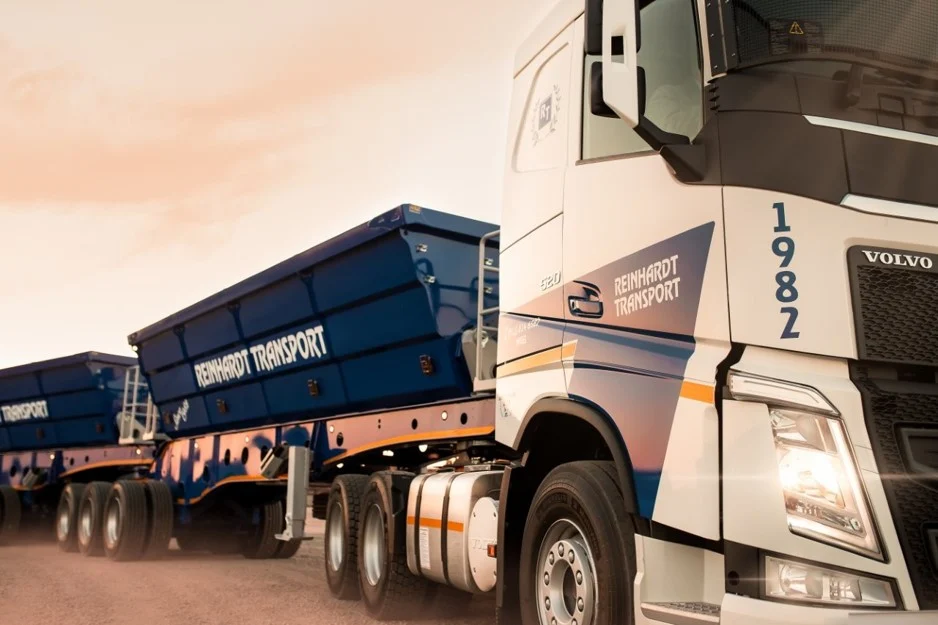
South Africa has reached record-breaking fuel prices, placing significant pressure on businesses across the economy. Such price hikes directly hit the logistics industry, where fuel is one of the largest variable operating expenses, with consequences extending throughout the supply chain. The impact can be devastating if logistics companies don’t have built-in measures to streamline costs and improve efficiency.
Geopolitical conflicts and supply constraints have seen volatility in fuel prices, with the start of October hitting South Africans hard. 93-grade petrol increased by R3.12 per litre and 95-grade petrol by R3.33 per litre. Diesel increased by R2.84 per litre for 500ppm and R3.24 per litre for 50ppm. Inland, 95-grade petrol reached R30.25 per litre, crossing the R30 mark for the first time.
“These increases hit the logistics sector particularly hard because fuel is fundamental to moving goods. Transport operators cannot simply stop running their fleets when costs rise; the supply chains we serve depend on reliable movement,” says Duhan du Plessis, Group Marketing Manager at Reinhardt Transport Group (RTG).
“That’s why it’s increasingly important for businesses to partner with established logistics providers that have structured mechanisms to manage fuel volatility, monitor performance and communicate cost changes transparently. While no operator can control the price at the pump, it can control how effectively fuel is used and how clearly its impact is managed.”
How logistics companies are managing fuel-cost pressure
As fuel volatility continues to challenge the sector, Du Plessis says operational discipline and data-led decision-making are becoming essential. Key measures he suggests include:
1. Route optimisation and planning
Du Plessis says incorporating technology goes a long way to save on costs: “GPS tracking, telematics and route-planning tools identify unnecessary kilometres and reduce congestion-related delays while limiting inefficient detours. Better scheduling also helps your operators plan trips more effectively.”
2. Improved load utilisation
Logistics companies can also reduce the number of trips by consolidating compatible consignments and maximising vehicle capacity, notes Du Plessis: “Monitoring fuel consumption against distance travelled, vehicle type, and load also helps identify anomalies and opportunities for improvement.”
3. Reducing unnecessary idling
“Unnecessary time spent waiting is just unnecessary costs,” continues Du Plessis. “Waiting at loading points, warehouses, ports and customer facilities affects fuel consumption. That’s why companies need better coordination with realistic delivery slots and faster loading and offloading processes. This reduces avoidable delays and keeps your vehicles productive.”
4. Preventative fleet maintenance
“Maintenance cannot be overstated, for fuel efficiency and safety,” says Du Plessis. “Regular engine servicing and tyre-pressure checks keep your trucks operating efficiently. Reducing the risk of breakdowns also reduces schedule disruptions which increase costs and lose you customers.”
5. Driver training and support
“Prioritising driver training and care benefits the entire supply chain,” he says. “Training in smooth acceleration, appropriate gear selection, controlled braking, and responsible idling means more efficient driving. Likewise, supporting driver mental and physical health, encouraging regular breaks, and checking in with drivers is just as important.”
6. Using operational data to make better decisions
“One of the biggest advantages is real-time fleet visibility and performance reporting,” says Du Plessis. “This enables transport operators to note inefficiencies and respond quickly to operational challenges. Your company benefits from better planning and more informed conversations with customers about costs.”
7. Transparent fuel-adjustment mechanisms
“Clearly defined, agreed fuel-adjustment formulas align your transport rates with changes in fuel prices,” explains Du Plessis. “When these mechanisms are linked to an appropriate published index and applied consistently, customers understand cost movements, and you avoid unexpected adjustments. Transparency helps build trust between transport providers and their clients.”
For businesses assessing their transport arrangements, the headline rate can’t be the only consideration. A logistics partner’s ability to manage operational costs through in-built operational mechanisms has a significant bearing on the overall efficiency of a supply chain.
“Cost management, safety, reliability, and accountability have to be built into the way a logistics business operates every day and not simply introduced only when fuel prices rise,” says Du Plessis. “These principles form part of our approach to managing the pressures facing our operations and helping ensure essential supply chains continue moving. In a volatile environment, resilience is absolutely key.”
Frequently asked questions
1. Can businesses reduce the impact of fuel price volatility on their supply chains?
Yes. Businesses can work with logistics partners such as Reinhardt Transport Group to consolidate loads, improve delivery scheduling, reduce waiting times and review transport routes. Combining these measures with transparent fuel-adjustment mechanisms and regular cost monitoring can improve efficiency, support better budgeting and help businesses respond more effectively to fuel price fluctuations.
2. How can Reinhardt Transport Group help customers manage fuel-related cost pressures?
Reinhardt Transport Group can work with customers to support efficient transport planning through operational coordination, fleet management, route planning and performance monitoring. Transparent communication around fuel-related cost adjustments also helps customers understand changes and plan their transport budgets.
3. What should businesses look for when choosing a logistics partner during periods of fuel volatility?
Businesses should consider more than the initial transport rate. They should look for transparent pricing and fuel-adjustment processes, reliable fleet management, preventative maintenance, route efficiency, operational visibility and a proven focus on safety and service delivery.

