




This International Day of Friendship, Trinityhouse explores how meaningful relationships nurture belonging, shape character and help children grow into compassionate, confident young adults.

A good friend may not be able to solve a difficult Mathematical equation, but they can make a challenging school day feel lighter. They listen without judgement, celebrate our successes, stand beside us in disappointment and quietly remind us that tomorrow is another opportunity to begin again.
As we celebrate the International Day of Friendship, we are reminded that while academic achievement remains important, some of life’s greatest lessons are learned not from textbooks, but through relationships. At Trinityhouse, we believe that education is about developing the whole child: academically, emotionally, socially and spiritually. Friendship is an essential part of that journey.
“Friendship is one of the ways children discover who they are and who they are becoming,” says Hilton Scott, Principal of Trinityhouse Preparatory Randpark Ridge. “Within healthy relationships they learn empathy, courage, humility, forgiveness and respect. These are qualities that will shape not only successful students, but compassionate adults.”
Every child longs for something deeper than popularity. They long to know that they are seen, valued and that they belong. When students experience genuine belonging, they are more willing to ask questions, take healthy risks, recover from mistakes and participate confidently in school life.
“A sense of belonging doesn’t require a large circle of friends,” Scott explains. “Sometimes one trusted friend who genuinely cares is enough to give a child the confidence to face the challenges of growing up.”
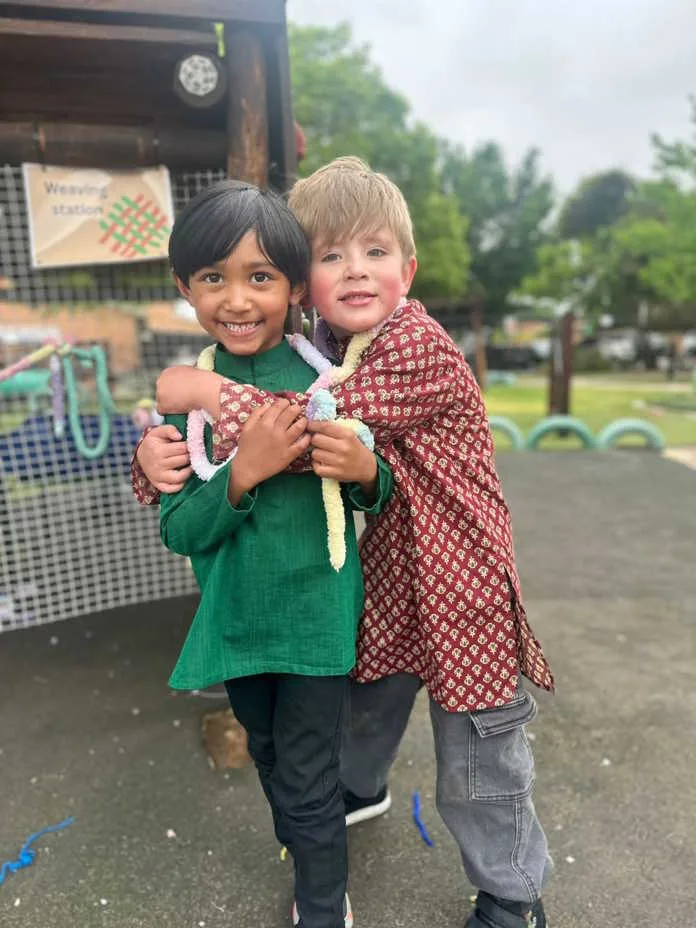
Friendships also become one of life’s greatest teachers. Through them, children learn that words can build up or tear down, trust is earned over time, apologies matter and forgiveness is often the pathway to stronger relationships.
“We shouldn’t aim to protect children from every disagreement,” Scott says. “Instead, we should help them develop wisdom and confidence to navigate conflict with honesty, accountability and kindness. Those moments often become some of the most valuable learning experiences.”
Parents naturally want to step in when friendships become difficult. While guidance and support are essential, allowing children to work through manageable challenges helps them develop resilience and emotional maturity. By asking thoughtful questions rather than immediately solving the problem, adults empower young people to become thoughtful problem-solvers themselves.
Healthy friendships also require healthy boundaries. Genuine kindness never asks us to compromise our values or accept behaviour that is controlling, manipulative or disrespectful.
“A true friend allows you to be yourself,” Scott reflects. “They celebrate your uniqueness, respect your boundaries and encourage you to become the best version of yourself. Friendship should bring peace and encouragement, not anxiety or fear.”
Today’s young people are growing up in a world where connection has never been easier, yet meaningful relationships can sometimes feel harder to cultivate. Social media, messaging platforms and group chats can strengthen friendships, but they can also amplify misunderstandings and make exclusion more visible.
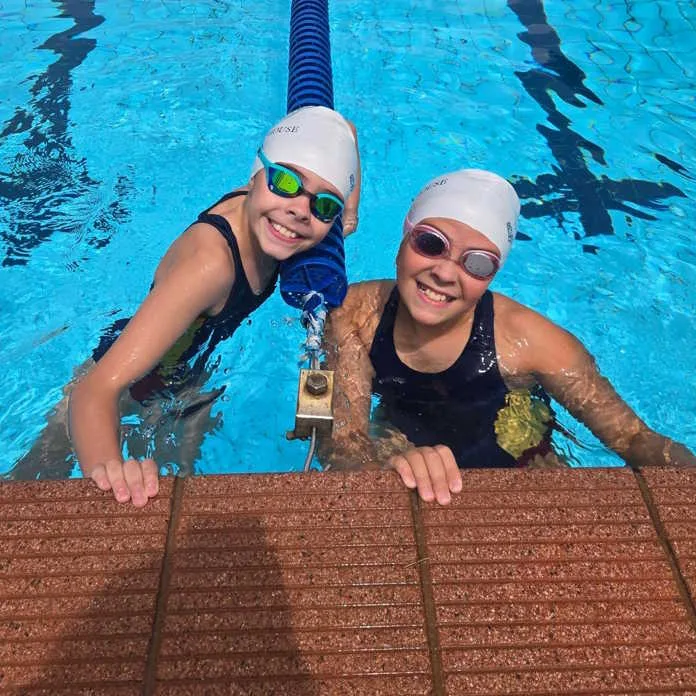
“Technology allows us to communicate instantly,” Scott says, “but genuine friendship still requires sacrifice of time, building trust, and being present while showing the willingness to truly listen.”
Schools have a unique opportunity to intentionally create spaces where friendships can flourish. Whether through classroom collaboration, sport, cultural activities, leadership opportunities, service projects or simply everyday interactions on the playground, children learn that community is built when people work, laugh, serve and grow together.
At Trinityhouse, our Christian worldview reminds us that every person is created in the image of God and deserves to be treated with dignity, compassion and respect. Our values are not simply taught in lessons; they are lived out in the relationships we build every day. Kindness, honesty, loyalty, forgiveness and servant-hearted leadership remain at the heart of who we strive to be as a school community.
“Our hope is that every child who walks through our gates experiences what it means to be genuinely known and valued,” Scott says. “Friendship is not simply about finding people who accept us. It is also about becoming the kind of person who notices others, includes them and reflects Christ’s love through everyday acts of kindness.”
This International Day of Friendship, perhaps the greatest lesson we can teach our children is beautifully simple: invite someone to join your conversation, sit with someone who may be alone, encourage a classmate who is struggling or thank a friend who has quietly walked alongside you.
These small acts of kindness may never appear on a report card, but they shape character, strengthen community and leave a lasting impact long after school has ended. Because when we educate the whole child, we are not only preparing young people for examinations, but we are preparing them for life.

