



Introduction
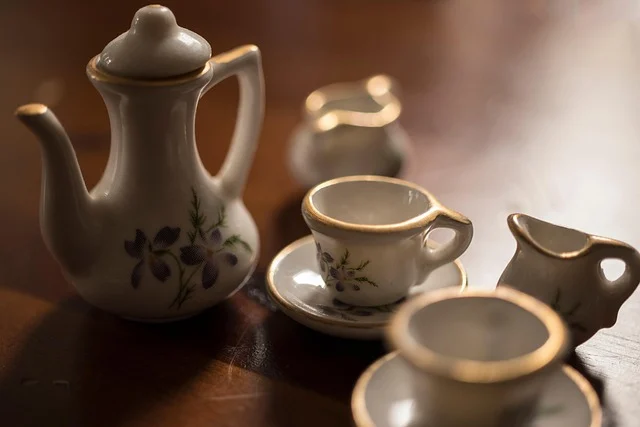
Gongfu tea, an intricate Chinese practice, refines the appreciation of tea’s nuances. At its core is the porcelain gongfu tea set, crafted to enhance tea flavors and aromas. With its elegance and functionality, the set is essential in the ceremonial tea experience. Porcelain’s smooth texture and heat retention make it ideal, allowing the tea to express its full character. The delicate cups, elegant teapot, and coordinated pitcher create a harmonious aesthetic. For those interested in this tradition, Teasetbox.com offers exquisitely crafted porcelain gongfu tea sets, perfect for both beginners and connoisseurs to explore the art and meditative pleasure of gongfu tea.
Understanding the Porcelain Gongfu Tea Set
The porcelain gongfu tea set is designed specifically to enrich the gongfu tea-making experience, which emphasizes the art of brewing tea to perfection. This set typically includes several key components, each with a distinct function that contributes to the ritual’s success.
1. Key Components of the Set
- Gaiwan or Teapot: The centerpiece of a gongfu tea set, the gaiwan features a lid, bowl, and saucer. Alternatively, a small porcelain teapot can be used. Both options allow for precise control over brewing conditions, essential for releasing the intricate flavors of the tea leaves.
- Pitcher (Cha Hai): Often referred to as the “fairness cup,” this vessel ensures even distribution of the brewed tea, guaranteeing a consistent taste for each participant. Its design prevents over-steeping, preserving the delicate balance of flavor.
- Tea Cups: These are typically small and often come in a matching set. The diminutive size encourages savoring each sip, enhancing appreciation of the tea’s aroma and texture. The porcelain material further amplifies the experience by maintaining the tea’s temperature longer.
- Tea Strainer: While optional, a strainer assists in ensuring that no loose leaves find their way into the cups, allowing for a smoother, more enjoyable beverage.
- Tea Tray: The tray facilitates the catching of excess water used during the rinsing and brewing process, maintaining cleanliness and order.
2. Benefits of Porcelain
Porcelain is favored for gongfu tea sets due to its outstanding heat retention and neutrality. These qualities ensure the tea’s natural flavors are not altered, delivering a pure experience with every brew. Its sleek, white surface also provides a stunning backdrop, highlighting the tea’s color and clarity.
3. Aesthetic and Tradition
Beyond its functional excellence, the porcelain gongfu tea set carries an aesthetic and cultural significance. Its classic, often minimalist designs reflect Chinese artistry and enhance the visual appeal of the tea ceremony. Using such a set connects the practitioner to a rich history of tea culture, blending mindfulness with hospitality.
Understanding the components and benefits of a porcelain gongfu tea set allows one to fully appreciate its role in the tradition of gongfu cha, creating a more authentic and enriching tea-drinking experience.
Preparing Your Porcelain Gongfu Tea Set
Preparing your porcelain gongfu tea set is a ritual that sets the tone for the entire tea experience. Each step in the preparation process is done with intention and purpose, ensuring the tea is brewed to perfection and the ambiance is right for enjoyment and reflection.
1. Cleaning and Rinsing
Before you begin, it is essential to thoroughly clean each component of your gongfu tea set. This includes the teapot (or gaiwan), cups, pitcher, and tray. Rinsing with hot water not only removes any dust or residue but also warms the porcelain. Pre-warming the vessels helps maintain a stable brewing temperature, crucial for extracting the full flavor of the tea leaves.
2. Selecting and Measuring Tea Leaves
Choose high-quality loose-leaf tea, as the gongfu method shines when brewing premium varieties. Weigh an appropriate amount of leaves, usually between 5 to 7 grams for a typical session, depending on the type of tea and your personal preference. Using a tea scale can help ensure consistency and improve the quality of your brew.
3. Water Temperature and Quality
The quality and temperature of the water significantly impact the taste of your tea. Use fresh, filtered water whenever possible. Heat the water to the optimal temperature for your selected tea. Generally, green and white teas require a lower temperature (around 70-80°C or 158-176°F), while oolong and black teas benefit from hotter water (90-100°C or 194-212°F).
4. Arranging the Set
Place all components of your gongfu tea set neatly on a tea tray to contain any spills. Position the teapot or gaiwan centrally, surrounded by the cups and pitcher. Having a well-organized setup not only enhances the aesthetic appeal but also facilitates a smooth brewing process.
5. Initial Rinse (“Awakening the Leaves”)
Begin by adding the measured tea leaves to the pre-warmed teapot or gaiwan. Pour a small amount of hot water over the leaves, just enough to cover them, and then swiftly pour this out. This step, known as “awakening the leaves,” rinses off any residual dust and primes the leaves for brewing, allowing them to open and release their aroma.
6. First Steep and Beyond
Now, fill the teapot or gaiwan with hot water and steep the leaves for a brief period, typically anywhere from 10 to 30 seconds, depending on the tea’s characteristics and your taste preference. Pour the tea into the pitcher and from there into the cups, ensuring an even distribution. As you continue with subsequent steeps, slightly increase the steeping time to extract the evolving flavors of the tea.
By taking the time to properly prepare your porcelain gongfu tea set, you cultivate a deeper connection to the tea and its cultural heritage. This meticulous process not only enhances the flavor profile of your tea but also elevates the overall experience, transforming a simple drink into a moment of tranquility and reflection.
Mastering the Gongfu Tea Brewing Technique
The Gongfu tea brewing technique is a skillful art that enhances the sensory exploration of tea. “Gongfu” translates to “skill” or “effort,” reflecting the care devoted to perfecting this ritual. Below, we explore the steps and subtleties that define mastering this time-honored practice.
1. Selection and Preparation
Before brewing begins, select high-quality tea leaves that reflect your preference and desired flavor profile. Traditional Gongfu brewing shines with Chinese teas such as oolong, pu’erh, and green teas, as these best reveal their complex layers through multiple infusions.
Preparation is crucial. Gather your porcelain Gongfu tea set, including a gaiwan or small teapot, a fairness pitcher to ensure even distribution of flavor, a tea tray, and small tasting cups. Rinse these components with hot water to preheat them, ensuring your tea maintains its optimal temperature throughout the brewing process.
2. Understanding Tea Ratios
The ratio of tea leaves to water is pivotal in achieving the perfect brew. Typically, Gongfu brewing uses a higher leaf-to-water ratio than Western styles. Start with about 5 grams of tea leaves for every 150 ml of water as a guideline, adjusting according to your taste and the tea’s intensity. This higher concentration allows for short and multiple infusions, revealing the richness of the tea over time.
3. Infusion Timing and Technique
Timing is key in Gongfu brewing. The initial infusion is often the shortest—lasting only 10 to 30 seconds—designed to coax out the tea’s delicate flavors without overwhelming bitterness. Subsequent infusions gradually increase in length, unlocking deeper, evolving notes. Pay attention to each tea’s response; a good rule is to extend the steeping time by 5-10 seconds with each new brew.
During pouring, maintain a gentle and consistent flow to preserve the integrity of the tea leaves while ensuring an even brew. Pour the tea into a fairness pitcher before distributing it into tasting cups to equalize strength and flavor among servings.
4. Savoring the Experience
The essence of Gongfu brewing lies in savoring each sip. Approach the tea with mindfulness, noting the aroma first. Take small sips, allowing the liquid to linger on your palate, revealing its full complexity. With each infusion, appreciate how the flavors evolve, deepening or shifting subtly with each brew.
5. Repeated Practice
Mastery requires practice and patience. Embrace each session as an opportunity for discovery, refining your technique while learning the unique qualities of different teas. Over time, you’ll develop a personal Gongfu style, appreciating the tranquility and ceremonial aspect this method brings to tea drinking.
In conclusion, mastering the Gongfu tea brewing technique is less about achieving an endpoint and more about an ongoing journey with endless layers of discovery and enjoyment, turning tea drinking into a mindful and exquisite art form.
Serving and Appreciating the Brewed Tea
Once your tea has been brewed using the Gongfu method, the next crucial aspect is serving it in a manner that honors the tea’s rich flavors and the time you’ve taken to prepare it. This stage is not just about the act of drinking but also about engaging all your senses for a complete and immersive experience.
1. The Role of Teaware
Porcelain is often the material of choice for Gongfu tea sets due to its elegant appearance and ability to retain heat evenly. This characteristic ensures that the tea remains at the optimal temperature while being served. A porcelain fairness pitcher, also known as a Gong Dao Bei, is essential for maintaining a balanced flavor profile across all servings. By first pouring the brewed tea into this vessel, you ensure each tasting cup receives an identical infusion, avoiding discrepancies in taste.
2. Tasting Techniques
When serving the tea, use small porcelain cups that fit comfortably in the hand. These cups not only showcase the color and clarity of the tea but also help in focusing on its aroma. Before sipping, gently swirl the tea in the cup to release its fragrance and inhale deeply. This moment of appreciation is an integral part of the Gongfu experience, setting the stage for the taste journey to follow.
3. Savoring Each Sip
Take small, thoughtful sips, allowing the tea to coat your palate. Notice the texture—whether it is silky, light, or full-bodied—and the balance of flavors. Does the tea evoke any specific memories or particular sensations? Gongfu tea is unique in that it evolves with each infusion, so take note of the subtleties that change in successive rounds.
4. Sharing and Contemplation
Gongfu tea serves not just as a personal exploration but also as a social ritual. Sharing this moment with others adds to the tea’s enjoyment. Engage in discussions about the tea’s evolving profile, its origin, and the shared experience. This is a time for reflection and connection, both with the tea itself and with those around you.
As the session ends, clean your teaware with care, upholding the Gongfu tradition. Reflect on the journey, noting successes and areas for future exploration. Serving and enjoying the tea is a mindful practice that honors Gongfu’s cultural roots, turning a simple drink into tranquility and shared appreciation.
Enhancing the Tea Tasting Experience
The Gongfu tea ceremony is not just about brewing and drinking tea; it’s an art form designed to elevate the sensory experience. To truly enhance this ritual, one must focus on creating an atmosphere that complements the tasting journey. Here are some ways to enrich your enjoyment and appreciation of Gongfu tea:
1. Selecting the Perfect Environment
Choose a serene and comfortable setting for your tea session. This could be a quiet corner of your home, a peaceful garden, or a designated tea room. The environment plays a crucial role in focusing your senses on the tea itself. Quietude and minimal distractions allow you to better appreciate the aroma, taste, and appearance of the tea.
2. Considering the Teaware
Invest in quality porcelain teaware, as it perfectly complements the aesthetics of the Gongfu ceremony. The fine, translucent quality of porcelain reveals the true color of the tea, adding a visual dimension to the experience. Additionally, the smooth texture of porcelain feels pleasant in the hand and aids in maintaining the tea’s temperature.
3. Controlling the Tea’s Aroma
The aroma is a vital component of the tea-tasting experience. Before brewing, warm your teaware by rinsing with hot water. This not only cleans the cups but also enhances the release of the tea’s natural oils and aroma. As you pour the brewed tea into the cups, cover them momentarily with your palm and bring them close to your nose, releasing the fragrance with a swirl for a more concentrated olfactory experience.
4. Mindful Tasting Practices
To fully appreciate the nuances of Gongfu tea, incorporate mindfulness into each sip. Pay attention to the unique flavor notes, whether floral, fruity, earthy, or nutty. Let the tea rest briefly on your tongue, allowing its complexity to unfold. Recognize how subsequent brews alter the taste profile, offering a dynamic and evolving tasting experience.
5. Engaging the Senses
Heighten the experience by engaging multiple senses beyond taste and smell. Notice the tea’s vibrant colors and the way light interacts with the liquid’s surface. Feel the warmth of the cup in your hands and the rhythmic flow of the brewing process. This holistic engagement deepens your connection with the tea, transforming an ordinary tasting into an extraordinary event.
6. Sharing the Experience
The Gongfu tea ceremony is ideally a shared experience, fostering connection and dialogue among participants. Discuss the tasting notes, share thoughts, and enjoy the moment together. This communal aspect not only enhances your personal appreciation but also expands your understanding through the perspectives of others.
By focusing on these elements, you can elevate your Gongfu tea sessions from a simple ritual to a profound sensory exploration, celebrating the rich culture and heritage that accompanies each cup.
Conclusion
The art of Gongfu tea with a porcelain set transcends mere brewing; it’s mindfulness and tradition in motion. This ritual encourages a slow, thoughtful appreciation of tea and teaware. Porcelain’s elegance and functionality enhance the experience by maintaining temperature and purity. The Gongfu set elevates tea drinking to a meditative practice, where each piece, from pitcher to cup, honors the tea’s complex flavors and aromas. It serves as an elegant vessel and a bridge for shared appreciation. Gongfu ceremonies teach presence and joy in life’s details, offering a timeless journey of sensory and cultural richness.

