



The gap between what South African women have to spend and what it costs to feed their families has become impossible to ignore.
Feeding one child a basic nutritious diet costs R980.66 in July. The Child Support Grant, the safety net relied on by millions of South African mothers, pays out R580. The shortfall, which amounts to R400.66 every month, for every child, lands almost entirely on women, who head 42.6% of South African households and who research shows are the first to go without so their children can eat.
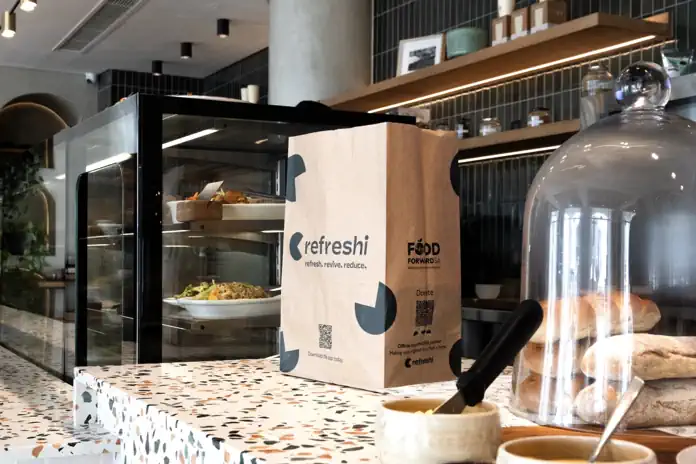
Local surplus-food marketplace Refreshi is using Women’s Month to put a spotlight on that gap, and to offer women-led households a practical way to close it: we have heaps of quality food, which is already being discounted because it needs to be sold in time, but is too often discarded before it reaches a female-led household that needs it.
A gap that inflation figures don’t capture
“South Africa’s food inflation has been easing and is down to 1.6% in June from 2.9% in April, but slower price growth has done little to help households already priced out. According to the Pietermaritzburg Economic Justice and Dignity Group (PMBEJD), the average household food basket cost R5,530.52 in July, up R87.81 year-on-year. A woman working full-time on the national minimum wage takes home just R4,836.80 a month, meaning food alone now costs R693.72 more than her entire wage, before rent, electricity, transport or school fees are even considered,” comments Jakob Holbak, Founder and CEO at Refreshi.
The result, researchers say, is a structural nutrition gap: low-income families underspend on basic food needs by at least 17% a month, amounting to R1,155 worth of food that never makes it into the trolley. That mathematics explains why slower food inflation has changed so little at the till. Prices may be rising more slowly, but they are rising from a base many female-led households can no longer afford.
Women carry this gap disproportionately. The State of Household Food Insecurity in South Africa 2026 Report, researched by the University of Cape Town’s Southern Africa Labour and Development Research Unit (SALDRU) for FoodForward SA, found that one in ten female-headed households is severely food insecure, almost double the rate recorded among male-headed households. In 61% of surveyed households, women reported skipping meals so their children could eat. Women, the report notes, “often reduce intake first and carry the emotional labour of managing scarcity.”

PMBEJD’s Household Affordability Index, drawn from the lived experience of women shoppers across the country, adds a further layer: “women are smart and savvy shoppers, and shop around for bargains.” But when the money runs out, bargain-hunting stops working: food simply comes out the trolley.
The food is already there
Refreshi’s argument is that a meaningful part of this gap is already sitting on South African shelves. FoodForward SA Managing Director Andy Du Plessis estimates the country wastes around 10 million tonnes of food a year. At the launch of the Food Insecurity Report, Wits Business School’s Ravi Pillay described the contradiction bluntly: “We have this perverse situation in South Africa where we have food, but it cannot go to those who need it.”
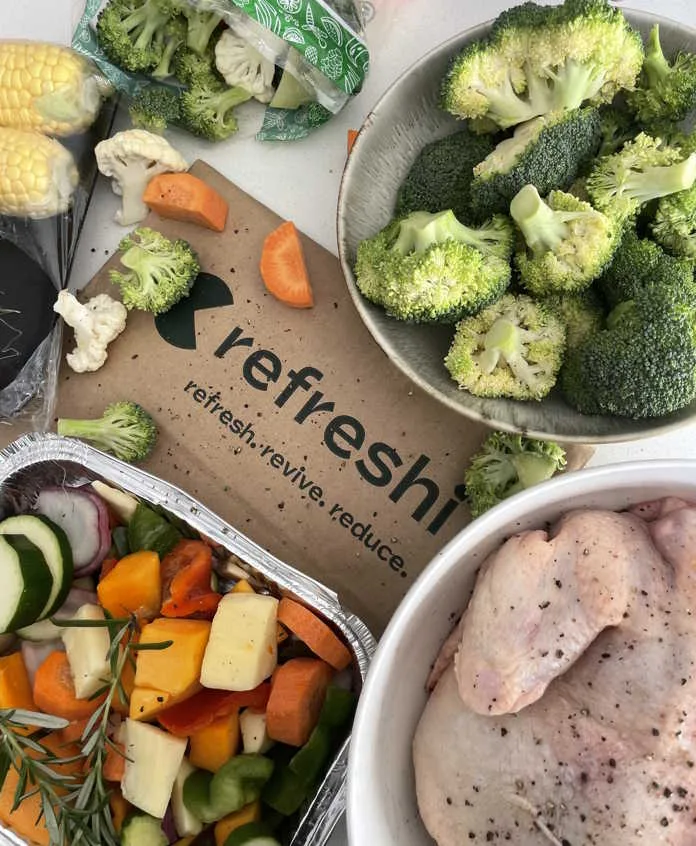
The local startup’s app is built around three simple outcomes: helping consumers spend less, enabling food businesses to recover revenue from surplus stock, and reducing the amount of quality food that goes to waste. The food offered through the platform is not damaged or expired. It is surplus stock that participating businesses need to sell within their appropriate consumption period.
Since launching in March 2025, Refreshi has saved South African consumers R12.5 million on their grocery bills, while returning R10 million in revenue to participating stores that would otherwise have discarded the stock they couldn’t sell in time.
“So much of that responsibility sits with women”
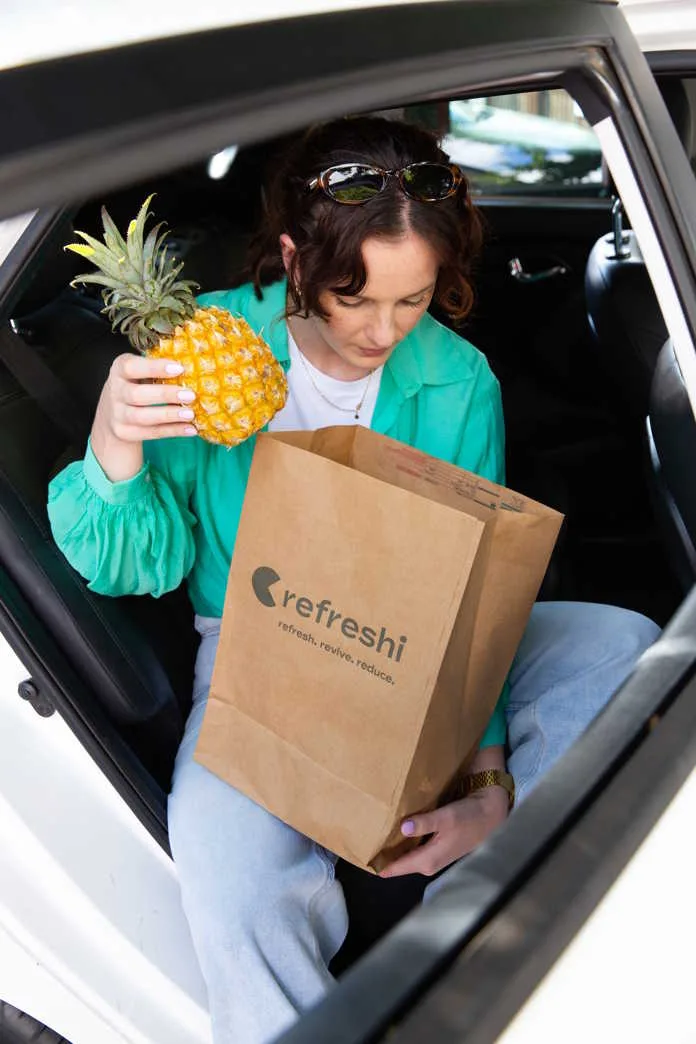
Maxine Eady discovered Refreshi as a customer, after walking past a bakery in Claremont, Cape Town for two years without going in. A discounted bag of baked goods, booked through the startup’s app, changed that for her and almost halved her monthly grocery bill. Inspired by the solution, she applied for a job at Refreshi, and now works at the startup full-time.
“It was only afterwards that I came to understand that the app wasn’t just about getting a great deal, but that it was a tool that could help women stretch their budgets and save money, while preventing good food from being wasted. I came to love what the app stood for,” she says.
The app has become part of her weekly shop. “It’s about easing my monthly grocery bill, and it’s also about saving time and energy. Women are often the ones in charge of buying groceries, planning meals and stretching budgets while trying to prevent anything from going to waste. Bread, school lunches, supper and snacks all add up, and so much of that responsibility sits with women in our country.”
How it works
Shoppers reserve discounted “Surprise Bags” through the Refreshi app and collect them directly from participating stores, including Spar, OK Mini Marks, King Pie, Vovo Telo, Bootlegger, Vida e Caffe and Ou Meul, among others. The app is available on iOS and Android across South Africa..

