




Inflammatory Bowel Disease (IBD) is a lifelong, immune-mediated condition that affects millions of people globally, yet it remains widely misunderstood. Greater awareness, earlier diagnosis and advances in disease management are helping to improve long-term outcomes and quality of life for people living with the condition. (1)
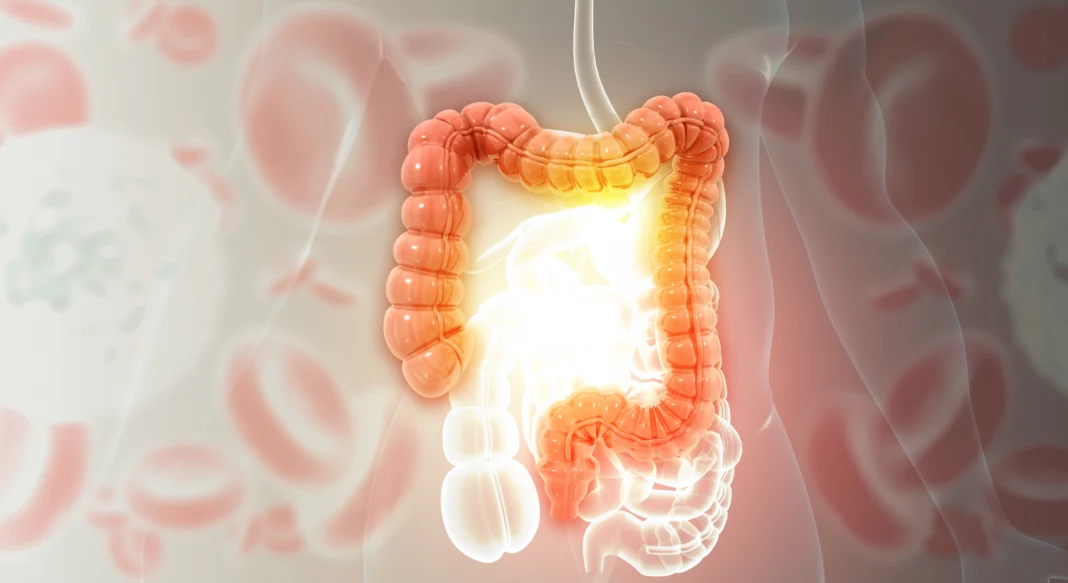
IBD primarily includes Crohn’s Disease and Ulcerative Colitis, both characterised by chronic inflammation of the gastrointestinal tract. While the conditions share similarities, they affect the digestive system in different ways and can lead to unpredictable flare-ups, long-term complications, and a significant impact on daily life. (2)
IBD is often confused with Irritable Bowel Syndrome (IBS), which does not involve inflammation or cause permanent damage to the bowel. (3)
“IBD is an autoimmune condition, meaning the immune system mistakenly attacks the body’s own tissues, in this case the gut,” said Vanessa Snow, Head of Medical Affairs at Johnson & Johnson Innovative Medicine South Africa. “It is not caused by stress or diet alone. Genetics, the microbiome, immune dysfunction, and environmental factors all play a role in how the disease develops and progresses”. (4)
Crohn’s Disease can affect any part of the gastrointestinal tract, from the mouth to the anus, and often causes inflammation that extends deep into the bowel wall. Ulcerative Colitis is usually limited to the colon and rectum, resulting in continuous inflammation of the intestinal lining. Common symptoms include persistent diarrhoea, sometimes accompanied by blood, abdominal pain, fatigue, weight loss, and an urgent need to use the bathroom. Many patients also experience complications beyond the gut, including joint pain, eye inflammation, skin conditions, and mental health challenges. (2)
“These are not just stomach problems,” Snow said. “For some people, IBD can be debilitating and life-altering, and in severe cases may require hospitalisation or surgery. The impact often extends beyond physical symptoms, affecting education, employment, relationships and overall quality of life.”
As understanding of IBD has evolved, treatment goals have moved beyond symptom control alone. Increasingly, disease management focuses on long-term control of inflammation to reduce the risk of complications and disease progression. This shift reflects a growing recognition that effectively managing IBD requires addressing both what patients experience day to day and what may be happening beneath the surface. (5)
One important area of progress is the growing focus on endoscopic healing, which refers to visible healing of the bowel lining when assessed through endoscopy.
“Endoscopic healing allows clinicians to look beyond how a patient feels and assess how effectively inflammation is being controlled at its source,” Snow explained. “Evidence shows that patients who achieve endoscopic healing are less likely to experience flare-ups and long-term complications, making it an important consideration in ongoing care”. (6)
Endoscopy now plays a broader role in IBD management, supporting diagnosis, monitoring disease activity, and guiding treatment decisions across the patient journey (6). Alongside this, advances in medical therapies and more personalised approaches to care are helping clinicians tailor treatment based on individual disease characteristics (5,6).
Medical treatment is only one part of effective IBD care. Nutrition, stress management, physical activity, mental health support, and patient education are increasingly recognised as essential components of managing a chronic and often unpredictable condition. (5)
“People living with IBD are at higher risk of anxiety and depression,” Snow said. “Providing education, emotional support, and access to care from the point of diagnosis is critical.”
Despite progress in diagnosis and treatment, misconceptions about digestive diseases remain common. Many people delay seeking help because symptoms can be difficult to talk about, are mistaken for other conditions, or are dismissed as something less serious. Delayed diagnosis can increase the risk of complications and have a lasting impact on quality of life. (7)
“Knowledge empowers patients,” Snow said. “By raising awareness, encouraging earlier diagnosis, and connecting people to reliable information and support networks, we can help people living with IBD feel less alone and better supported. As our understanding of the disease continues to evolve, so too does the opportunity to improve long-term outcomes and help people live fuller, healthier lives. With the right care, IBD does not have to define a person’s future.”
References
- Centers for Disease Control and Prevention (CDC). Inflammatory Bowel Disease (IBD) Basics. https://www.cdc.gov/inflammatory-bowel-disease/about/index.html
- Johns Hopkins Medicine. Inflammatory Bowel Disease (IBD). https://www.hopkinsmedicine.org/health/conditions-and-diseases/inflammatory-bowel-disease
- Crohn’s & Colitis Foundation. IBS vs IBD. https://www.crohnscolitisfoundation.org/patientsandcaregivers/what-is-ibd/ibs-vs-ibd
- Mayo Clinic. Inflammatory bowel disease: Symptoms and causes. https://www.mayoclinic.org/diseases-conditions/inflammatory-bowel-disease/symptoms-causes/syc-20353315
- Turner D, Ricciuto A, Lewis A, et al. STRIDE-II: An Update on the Selecting Therapeutic Targets in Inflammatory Bowel Disease (STRIDE) Initiative of the International Organization for the Study of Inflammatory Bowel Diseases (IOIBD). Gastroenterology. 2021;160(5):1570-1583.
- Kim KO et al. Endoscopic activity in inflammatory bowel disease: clinical significance and application in practice. Clinical Endoscopy (PMC). https://pmc.ncbi.nlm.nih.gov/articles/PMC9329646/
- Kucharzik T, Taylor S, Allocca M, et al. ECCO-ESGAR-ESP-IBUS Guideline on Diagnostics and Monitoring of Patients with Inflammatory Bowel Disease: Part 1. Journal of Crohn’s and Colitis. 2025. ECCO Guideline
ABOUT JOHNSON & JOHNSON
At Johnson & Johnson, we believe health is everything. Our strength in healthcare innovation empowers us to build a world where complex diseases are prevented, treated, and cured, where treatments are smarter and less invasive, and solutions are personal. Through our expertise in Innovative Medicine and MedTech, we are uniquely positioned to innovate across the full spectrum of healthcare solutions today to deliver the breakthroughs of tomorrow and profoundly impact health for humanity.
Learn more at jnj.com/innovativemedicine/emea/#south-africa. Follow us on LinkedIn.
Janssen Pharmaceutica (Pty) Ltd t/a Johnson & Johnson Innovative Medicine.
© Janssen Pharmaceutica (Pty) Ltd t/a Johnson & Johnson Innovative Medicine. [2026]. All rights reserved.

