



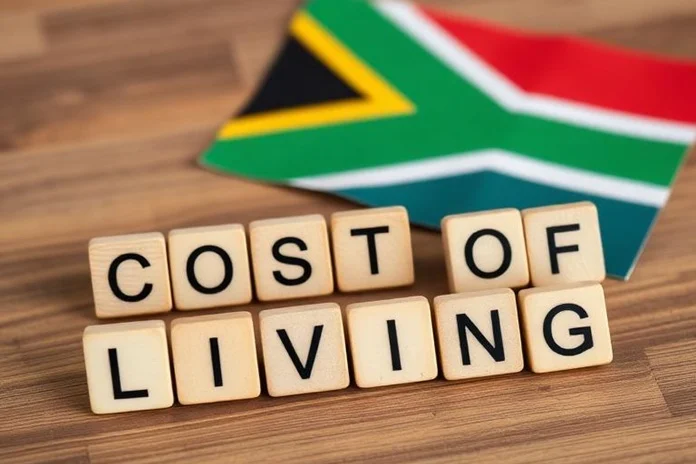
JOHANNESBURG, Gauteng — Millions of consumers utilizing Buy Now, Pay Later (BNPL) services in South Africa will face a major shift in financial visibility starting February 2027. Under new regulations issued by the National Credit Regulator, BNPL transaction data will be fully uploaded and reported to credit bureaus for the first time. According to Sharon Mmitsi, a debt counsellor at National Debt Advisors, this landmark regulatory change aims to address the country’s growing affordability crisis by ensuring lenders can finally see a complete, unified picture of a consumer’s credit profile.
Historically, BNPL providers have operated with significantly fewer affordability checks than traditional credit institutions. This regulatory gap has allowed consumers to carry multiple installment plans simultaneously without any single lender being able to assess their overall debt burden or credit score.
While the BNPL model was initially introduced to help consumers manage small, interest-free purchases—such as clothing or footwear in the R300 to R400 range—its usage has dramatically evolved. Sharon Mmitsi notes that amid rising living costs, many South Africans are now relying on these services to purchase essential goods, including groceries, water, and electricity, and in some cases, to access cash-back options to cover basic monthly living expenses.
The scale of this financial behavior is substantial. While no official, centralized account of BNPL users exists outside of National Credit Regulator reporting, industry estimates suggest between 4 million and 7 million South Africans currently utilize these platforms. Major providers like Payflex alone account for approximately 4.5 million customers, with user bases growing by an estimated 120,000 to 135,000 new users per month.
The primary demographic driving this growth includes low- to middle-income households. Mmitsi highlights that these earners are increasingly struggling with the upward trajectory of essential costs, including electricity, water, and transport. The core of the affordability challenge arises when these fragmented BNPL payments are combined with existing monthly financial obligations, such as credit cards, personal loans, mortgages, and vehicle financing.
“When everything is combined, that is where the problem comes in,” Mmitsi explains. Consumers often reach a point where they have no money left to survive through the month, prompting them to take on additional BNPL plans or short-term loans just to bridge the gap, creating a cyclical debt trap.
The upcoming regulations, which take effect in February 2027, are designed to interrupt this cycle. By mandating that BNPL providers report payment history to credit bureaus, the National Credit Regulator intends to introduce necessary checks and balances. Mmitsi emphasizes that the goal of the credit bureau is not to penalize consumers, but rather to prevent over-indebtedness by giving financial institutions the visibility needed to make responsible lending decisions.
As the 2027 deadline approaches, financial advisors recommend that consumers proactively review their installment plans and overall debt-to-income ratios to prepare for a more transparent and strictly regulated credit environment.

