



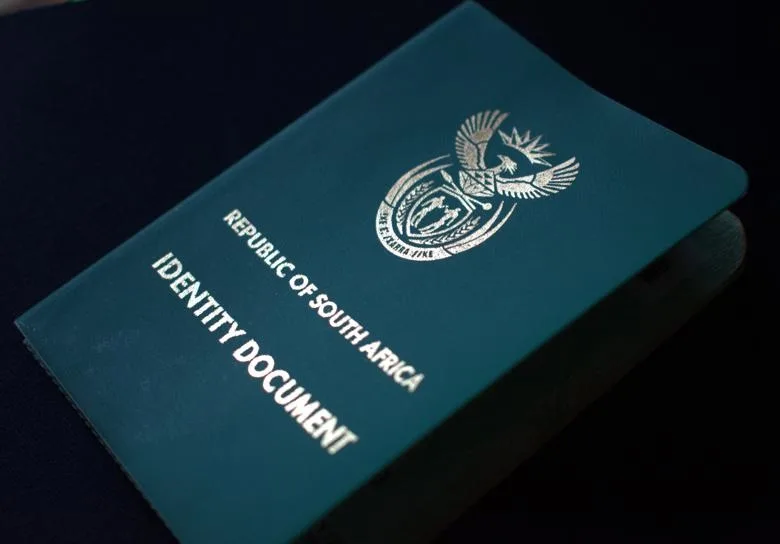
Deputy International Relations Minister Alvin Botes has reaffirmed that ensuring all migrants in South Africa hold proper legal documentation is central to addressing public concerns while upholding accountability within the immigration framework.
Botes, who also serves on the ANC National Executive Committee, made the remarks during Africa Day commemorations, which this year unfold against a backdrop of heightened anti-migrant protests in several South African communities. He acknowledged that these demonstrations have disproportionately targeted individuals of African descent, creating tension during a period meant to celebrate continental unity.
The Deputy Minister recognized legitimate public grievances regarding undocumented migration, particularly from other African nations. He described a complex interplay between these concerns and pressing national priorities, including job creation, unemployment reduction, and efforts to tackle inequality and poverty. “South Africans want all migrants in the country to be properly documented so that everyone can appreciate that our African brothers and sisters are here for particular legal reasons—whether as asylum seekers, refugees, or under other lawful statuses,” Botes stated.
He expressed concern over what he characterized as undue targeting of African migrants through informal enforcement actions, urging citizens to allow the South African Police Service to execute its mandated responsibilities regarding immigration compliance.
The conversation also touched on criminal activity involving foreign nationals. Recent operations have uncovered illicit drug manufacturing facilities linked to Mexican nationals operating illegally in Mpumalanga and the North West Province. When asked why public discourse on migration in South Africa often centers on African migrants rather than nationals from other regions, Botes stressed that crime prevention must apply universally.
“No person should be able to organize or run an organized crime cartel in South Africa, whether they are South African or a migrant,” he said. Botes commended the Minister of Police for reporting a recent decline in serious and violent crimes, including murders.
Emphasizing the need for distinction, Botes referenced a recent incident in eThekwini where hundreds of African migrants held a sleep-out protest outside a police station. According to the local mayor and Home Affairs officials, only two individuals among the group were found to be undocumented. He urged separating migrants with lawful status from those without legal standing.
Botes also addressed the socioeconomic pressures cited by many South Africans, particularly those in poorer communities who report competing for access to public services such as clinics and hospitals. He noted that Minister Ronald Lamola had raised these matters during a recent SADC retreat, calling for deeper continental engagement.
“There is acceptance at the presidential level that the African Union should discuss the push and pull factors driving migration,” Botes explained. He argued that strengthening regional economic corridors to boost prosperity in countries of origin is essential. “If we don’t prioritize economic diplomacy and trade, migration will remain a persistent issue in South Africa.”
Responding to questions about diplomatic friction—including remarks from some African officials suggesting Africa Day celebrations were inappropriate amid current tensions—Botes pointed to behind-the-scenes engagement. He noted that Minister Lamola had held discussions with Ghana’s foreign minister regarding imagery related to incidents involving Ghanaian citizens in South Africa, which he described as containing artificially generated content. He also recalled South Africa’s early contributions to peacekeeping efforts in the Central African Republic as evidence of the country’s commitment to Pan-African solidarity.
Botes concluded by reiterating that while the ANC is actively engaged on addressing undocumented migration and its root causes, vigilante action or taking the law into private hands remains unacceptable. He called for consistent enforcement of municipal bylaws governing the informal economy and continued support for Home Affairs to strengthen border management through the Border Management Agency.
“The central question is economic prosperity: how can South Africa serve as a catalyst for broader industrialization and growth across the African continent,” Botes said.

