



MPUMALANGA – The Department of Water and Sanitation (DWS) is urging immediate water conservation efforts across Mpumalanga following a marginal drop in provincial dam levels. According to the latest Weekly State of Reservoirs Report, overall reservoir capacities in the province have experienced a slight downward trend, signaling the need for vigilant and responsible water management despite currently adequate supply levels.
Official figures indicate that the province’s average dam capacity dipped from 98.7% to 98.5%. This subtle decline was observed across both of the region’s primary Water Management Areas. The Limpopo-Olifants Water Management Area saw its levels adjust from 100.3% down to 100.1%, while the Inkomati-Usuthu Water Management Area shifted from 98.2% to 98.0%.
A similar pattern of slight reduction was documented across all three provincial districts. Ehlanzeni’s water levels moved from 100.2% to 100.1%, Nkangala shifted from 100.5% to 100.2%, and Gert Sibande recorded a minor dip from 96.7% to 96.6%.
A closer look at the Lowveld and Ehlanzeni District reveals mixed reservoir performances. Inyaka Dam stood out as the only facility in the area to register a gain, climbing from 100.1% to 100.4%. Stability was maintained at Witklip (100.3%), Longmere (101.3%), Klipkopjes (99.6%), and Da Gama (100.3%). However, several reservoirs experienced minor losses: Kwena, Blyderivierpoort, and Buffelskloof each fell from 100.5% to 100.3%; Driekoppies shifted from 100.3% to 100.2%; Primkop decreased from 101.3% to 101.1%; and Ohrigstad dropped from 92.8% to 92.2%.
The Gert Sibande district presented a similarly varied landscape. Steady levels were maintained at Grootdraai (96.9%), Nooitgedacht (99.5%), Morgenstond (100.4%), and Heyshope (100.1%). Conversely, noticeable declines were recorded at Vygeboom Dam, which fell from 100.5% to 99.5%, Jericho, which dropped from 92.8% to 92.6%, and Westoe, which decreased from 59.9% to 59.1%.
Within the Nkangala district, Middelburg Dam was the sole listed reservoir to achieve an increase, improving from 99.8% to 100.1%. Loskop Dam experienced a minor reduction, moving from 100.9% to 100.4%, while Witbank and Rhenosterkop held firm at 99.3% and 100.4%, respectively.
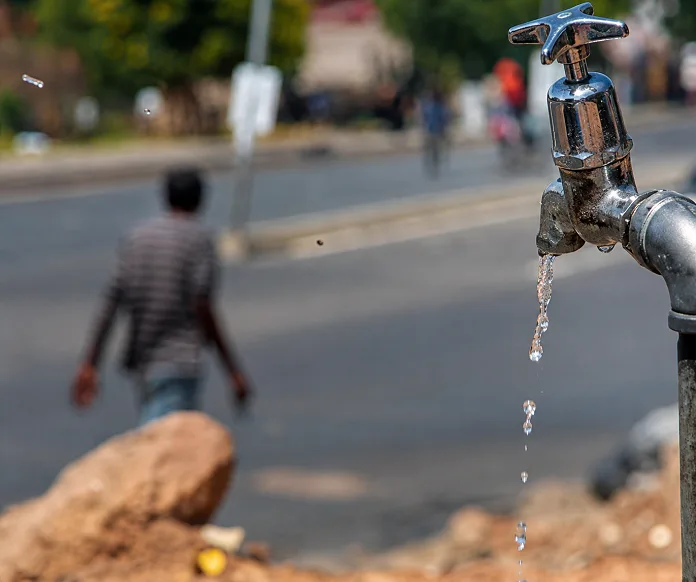
Even with these relatively robust reservoir figures, the Department of Water and Sanitation emphasizes that complacency is not an option. The DWS has explicitly called upon local farmers, institutions, businesses, and households to eliminate non-essential water usage. Reinforcing the message that water is an irreplaceable resource, the department reminded the public that “every drop counts.”
Citizens are encouraged to proactively fix dripping taps and leaking pipes, curb everyday water waste, and immediately notify local water services authorities about any burst mains or significant leaks.
Framing water preservation as a collective duty, the DWS highlighted that adopting basic water-saving habits in daily routines is essential to safeguarding limited resources, bolstering water security, and ensuring dependable community supply lines.
“While current dam levels remain healthy, even small changes reinforce the need for continued water conservation and responsible use,” the Department of Water and Sanitation concluded.

