



SOUTH AFRICA — The South Africa Cabinet has outlined major national advancements, highlighting preparations for a new TB vaccine and significant Eskom load reduction milestones. During a Friday media briefing, Minister in the Presidency Khumbudzo Ntshavheni detailed how these strategic developments in public health and energy stability are driving broader economic resilience and service delivery improvements across the country.
Public Health and Vaccine Manufacturing
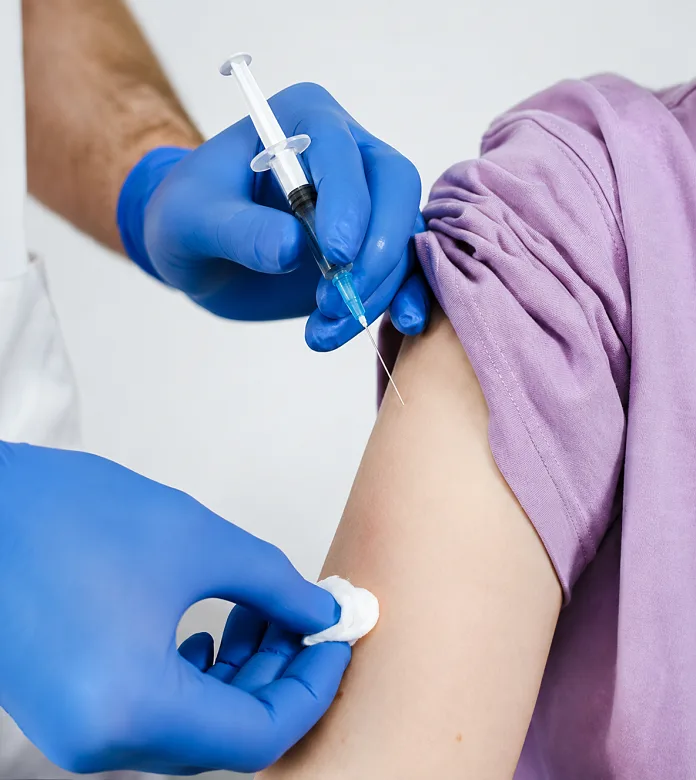
The government is actively preparing for the registration and potential rollout of a new tuberculosis (TB) vaccine, which is currently in Phase 3 clinical trials. Minister Ntshavheni stated that successful trial outcomes will trigger the vaccine’s formal introduction, a move expected to significantly advance the elimination of TB as a public health threat. Furthermore, the Cabinet endorsed a strategic agreement with the Serum Institute of India to manufacture TB vaccines for global distribution. This collaboration aims to expand South Africa’s domestic vaccine production capacity, drive medical innovation, and stimulate job creation.
Energy Sector and Eskom Performance
In the energy sector, the Cabinet noted substantial operational improvements at Eskom, particularly regarding its load reduction eradication programme. The utility achieved load reduction status in seven provinces ahead of the October 2026 deadline. Minister Ntshavheni reported that approximately 1.2 million customers have been restored to normal supply conditions, lowering the affected customer base to 6.8%.
Eskom has also drastically curtailed diesel dependency. Year-on-year diesel expenditure dropped by over 83%, falling from R5.92 billion to R992 million, while Open Cycle Gas Turbine usage declined from 8.67% to 1.10%. This efficiency reflects a more resilient power system, contributing to 467 consecutive days without loadshedding since 16 May 2025. Additionally, Eskom’s Energy Availability Factor has reached its highest level since 2020, returning roughly 6,100 megawatts to the national grid and reducing unplanned outages by nearly 40% year-on-year.
The Cabinet also encouraged public participation regarding the Draft Revised Electricity Pricing Policy, which is currently open for comments. The proposed framework seeks to lower electricity costs and maintain cost-reflective tariffs while shielding vulnerable households and strategic economic sectors.
Infrastructure and Trade Developments
On the infrastructure front, the Cabinet commended the successful hosting of the 5th Sustainable Infrastructure Development Symposium of South Africa (SIDSSA) in Cape Town. The event identified 263 infrastructure projects valued at R1.99 trillion across various implementation stages. Notably, 37 projects worth R69 billion were completed over the past 18 months, directly supporting economic growth and employment.
In international trade, the extension of the African Growth and Opportunity Act (AGOA) until 31 December 2028 was welcomed. This ensures continued preferential market access for eligible South African goods to the United States, fostering export growth, market diversification, and deeper investment ties. Domestically, a decade-long negotiation culminated in a new agreement with India to expand treatment options for South African fresh citrus exports. This provides producers with enhanced logistical flexibility. In 2025, South Africa exported 2.9 million tonnes of citrus, generating US$2.1 billion in revenue.
Digital Immigration Reforms
Finally, the Cabinet announced the launch of the Electronic Travel Authorisation (ETA) platform, modernizing the national visa and immigration system. By replacing manual procedures with a streamlined digital framework that integrates biometric verification, the ETA is designed to strengthen border security, optimize migration management, and elevate South Africa’s appeal as a secure destination for tourism, business, and foreign investment.

