



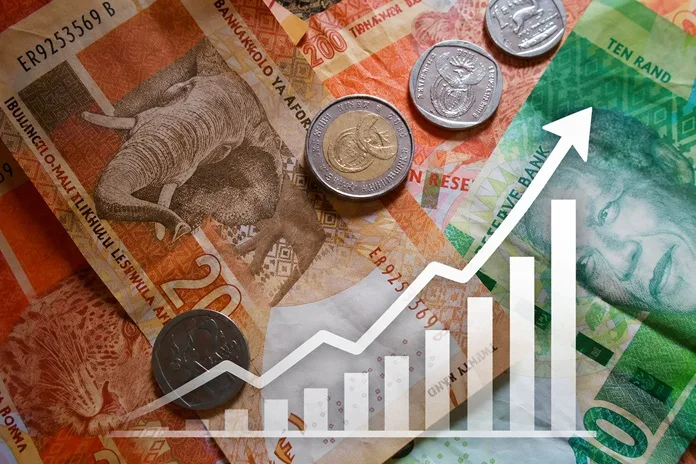
JOHANNESBURG, Gauteng — Economists are expressing notable pessimism regarding the upcoming South Africa GDP figures set to be released by Statistics South Africa this Tuesday. Following a modest 0.5 percent expansion in the first quarter of 2026, market analysts widely anticipate an economic contraction for the April to June period, driven by weak consumer demand, limited investments, and the ongoing global economic ripples stemming from the Middle East conflict.
The national economy managed to maintain positive momentum between January and March, marking a sixth consecutive quarter of growth. During that first quarter, real gross domestic product rose by 0.5 percent, largely buoyed by heavy lifting from the finance, agriculture, trade, and transport sectors. On the expenditure side, a decline in imports coupled with higher exports, government spending, and household consumption helped keep the economy afloat.
However, underlying financial pressures on households are rapidly shifting domestic spending habits. Families are increasingly cutting back on discretionary expenses such as dining out, vacations, clothing purchases, streaming services, and gym memberships. Rather than halting consumption entirely, consumers are actively trading down—opting for cheaper grocery brands, reducing purchase quantities, and prioritizing basic essentials. This weaker household demand poses a significant macroeconomic risk, potentially limiting the ability of local businesses to expand, hire new staff, and invest in future growth.
While general government services grew by 0.3 percent in the first quarter—aided by increased public sector employment and spending on goods and services—questions remain about whether this fiscal output is translating into productive economic activity. A glaring warning sign is the manufacturing industry, which contracted by 0.8 percent in the first quarter, with five of its ten divisions recording declines. Prolonged electricity outages have forced some factories to close for days at a time, raising severe concerns over poor governance and the country’s broader ability to attract the capital necessary to expand productive capacity and create sustainable jobs.
In response to these investment challenges, Trade and Industry Minister Parks Tau is currently in Dubai attending the AIM Congress to pitch the nation as a prime investment destination. In a statement ahead of the event, Minister Tao emphasized that true investment must go beyond mere capital flows. He highlighted the critical need to build productive economies, create decent and sustainable jobs, develop industrial capacity, transfer skills and technology, and expand tangible opportunities for citizens.
Despite the macroeconomic headwinds, there are positive signals emerging from the financial sector. Standard Bank reported a 12 percent increase in deposits across its African markets, reaching 2.5 trillion rand. Additionally, domestic electronic payments rose by 11 percent, and cross-border payments grew by 7 percent, indicating robust underlying financial and commercial activity. Ultimately, the immediate test for the nation remains whether this heightened financial activity can successfully translate into stronger domestic demand, revitalized production, and long-term economic investment.

