



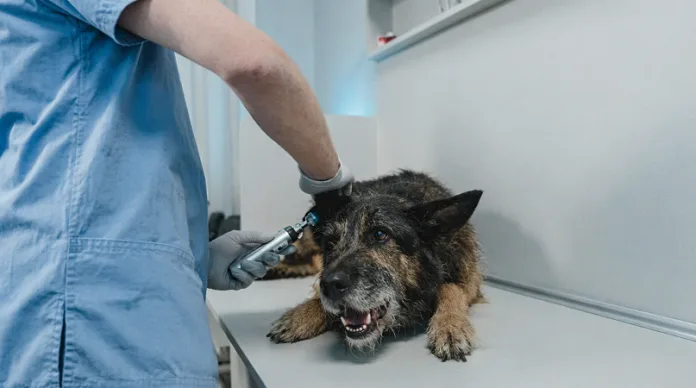
SOUTH AFRICA — In a renewed push for comprehensive South Africa rabies prevention, Agriculture Minister Willie Aucamp is calling on citizens to prioritize routine pet vaccination and responsible animal care to halt the spread of a highly lethal but entirely avoidable virus. Highlighting the urgent need for community action, the minister stressed that immunizing dogs and cats serves as the frontline defense against an illness that continues to claim lives across the nation.
Minister Aucamp emphasized that rabies ranks among the most deadly diseases globally, yet it remains completely preventable. He stated firmly that no individual should die from an illness when the medical tools to stop it are readily available.
“Vaccinating dogs and cats, practising responsible pet ownership, reporting suspected cases and seeking prompt medical care after potential exposure are essential to preventing deaths,” Minister Aucamp said. He further noted that public participation is the key to eradicating the virus, adding, “Through responsible pet ownership and acting quickly, we are ‘Stronger Together’ in the fight against rabies.”
The viral threat remains severe across all nine provinces, but officials have flagged Limpopo, KwaZulu-Natal, and the Eastern Cape as major hotspots. The statistics paint a concerning picture: as of 26 August 2026, the country has logged 15 human rabies deaths since the year began. The Eastern Cape accounts for seven confirmed and two probable human fatalities, KwaZulu-Natal has seen five confirmed deaths, and Limpopo has recorded one. Furthermore, laboratory data spanning from 1 January to 31 July 2026 confirms 115 positive animal cases.
Because the virus is almost always fatal once clinical symptoms manifest, immediate intervention following exposure is non-negotiable. The Department of Agriculture advises that if anyone is bitten, scratched, or exposed to the saliva of a suspect animal via a wound or mucous membrane, they must immediately wash the site with soap and running water for a minimum of 10 minutes. Following this initial first aid, seeking immediate medical attention is critical, as correct and prompt post-exposure treatment is highly effective at stopping the infection before it takes hold.
Authorities remind the public that the virus does not discriminate among mammals; it threatens livestock, wildlife, domestic pets, and humans alike. Beyond annual shots, responsible ownership demands that citizens restrict the movement of unvaccinated animals, watch for erratic behavior in pets, and report anomalies to local authorities.
To facilitate these safety measures, communities are urged to reach out to local state or private veterinarians, animal health technicians, or welfare groups for guidance. For direct lines to provincial veterinary services, the public can visit: https://www.nda.gov.za/index.php/component/content/article/451-provincial-veterinary-services.
The department insists that eliminating the virus requires a unified front involving veterinary and para-veterinary professionals, healthcare workers, policymakers, government departments, and everyday pet owners. Collaborative efforts are currently being streamlined through the National Rabies Advisory Group, which is working to bolster awareness and fortify defenses for both human and animal populations.
This unified approach will take center stage on 28 September 2026, when the nation joins the globe in observing World Rabies Day. Fittingly, this year’s global theme is “Stronger Together,” underscoring the necessity of cross-sector partnerships to finally achieve a rabies-free status for the country. As the awareness day nears, the government’s ultimate plea is for practical, everyday vigilance to safeguard families, pets, and neighborhoods.

