



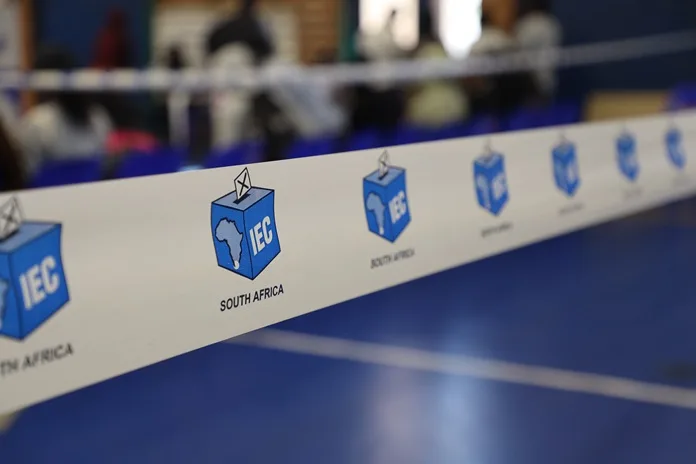
CENTURION, Gauteng — As the country prepares for its seventh Local Government Elections on November 4, the Electoral Commission of South Africa (IEC) has officially launched the first national South Africa voter registration drive this weekend. Officials emphasize that this massive civic exercise is a foundational step to ensure democratic participation and logistical readiness across the nation.
Commission representatives stress that accurately placing citizens on the voter’s roll is non-negotiable for conducting transparent and equitable local elections. To achieve this, the public is being strongly encouraged to update their personal information, with a particular focus on current residential addresses. This ensures every individual is assigned to the precise segment of the voter’s roll and the specific voting district where they actually reside.
To handle the expected influx of citizens, the electoral body has mobilized a massive operational workforce. IEC spokespersons detailed the deployment of 47,000 trained personnel stationed across the country to manage the registration centers and facilitate the process smoothly.
The demographics of this deployed workforce reflect a strong commitment to gender parity, youth empowerment, and economic inclusion. According to the commission, the staffing breakdown includes:
- Gender: 37,000 women and 10,000 men.
- Age: 22,000 staff members are under the age of 35; 19,000 fall between the ages of 36 and 50; and 5,800 are 51 years or older.
- Employment Status: In a significant socio-economic intervention, 34,000 of the appointed facilitators are unemployed yet qualified individuals who have been brought on board for this critical exercise.
For those heading to the polling stations, commission authorities clarified the exact documentation needed to participate. Citizens must bring a recognized South African identity document. Acceptable forms of identification include a green barcoded ID book, a smart ID card, or a valid temporary identity certificate.
Importantly, IEC spokespersons cleared up a common misconception regarding address verification. While a formal proof of residence document is not mandatory to register, individuals are still required to provide their accurate residential address. This step is vital so officials can correctly allocate them to their appropriate voting district.
With all registration venues fully equipped and staffed, the electoral body is issuing a final plea to the public to exercise their democratic rights during this critical window. The commission’s rallying message to the nation for the upcoming registration weekend is simple: “Get up, show up, and vote.”

