



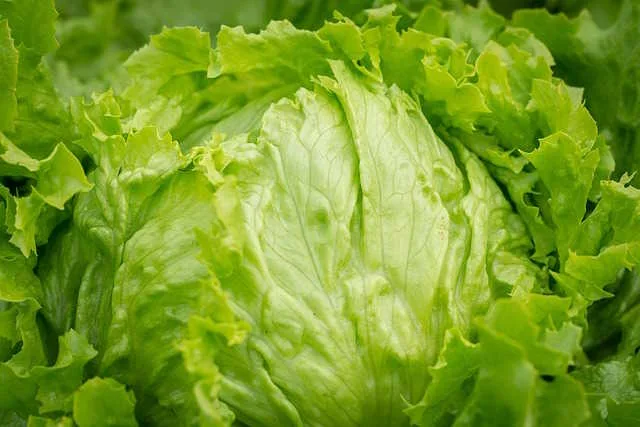
Lettuce is one of the most popular and versatile leafy greens, enjoyed in salads, sandwiches, and wraps around the world. Whether you’re a seasoned gardener or a beginner, growing lettuce is a rewarding experience. In this article, we’ll take you through the journey of growing lettuce, from seed to harvest, with a special focus on iceberg lettuce, which requires a bit more patience than other varieties.
A Brief History of Lettuce
Lettuce has been cultivated for thousands of years, with its origins tracing back to ancient Egypt. It was initially grown for its oily seeds, but over time, selective breeding led to the development of the leafy greens we know today. The Romans and Greeks popularized lettuce as a food crop, and it eventually spread across Europe and the Americas. Today, lettuce is a staple in cuisines worldwide, prized for its crisp texture and mild flavor.
Lettuce Varieties
Lettuce comes in a wide range of varieties, each with its own unique characteristics. The main types include:
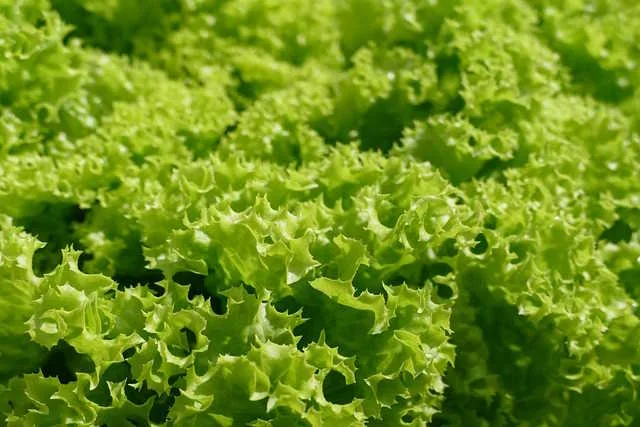
- Leaf Lettuce: Fast-growing and easy to cultivate, leaf lettuce varieties like Green Leaf and Red Leaf are perfect for beginners.
- Romaine (Cos) Lettuce: Known for its tall, sturdy leaves, Romaine is a favorite for Caesar salads.
- Butterhead Lettuce: With soft, buttery leaves, varieties like Bibb and Boston are tender and flavorful.
- Iceberg Lettuce: Crisp and crunchy, iceberg lettuce takes longer to mature than other types but is well worth the wait.
Sowing Lettuce Seeds
Lettuce is a cool-season crop, thriving in temperatures between 45°F and 75°F (7°C to 24°C). Here’s how to get started:
- Choose the Right Time: Sow seeds in early spring or late summer for a fall harvest. In warmer climates, lettuce can be grown in winter.
- Prepare the Soil: Lettuce prefers well-draining, fertile soil with a pH between 6.0 and 7.0. Add compost or organic matter to enrich the soil.
- Sow the Seeds: Plant seeds ¼ inch deep, spacing them about 1 inch apart. For leaf lettuce, you can scatter seeds and thin them later. For iceberg and head lettuces, sow seeds in rows to allow room for growth.
- Water Gently: Keep the soil consistently moist but not waterlogged. Lettuce seeds need light to germinate, so avoid burying them too deep.
Transplanting Lettuce
Once your lettuce seedlings have developed a few true leaves, they’re ready to be transplanted (if you started them indoors or in a seed tray).
- Harden Off Seedlings: Gradually expose seedlings to outdoor conditions over a week to prevent shock.
- Space Properly: Transplant seedlings 6 to 12 inches apart, depending on the variety. Iceberg lettuce, for example, needs more space to form its tight heads.
- Water Thoroughly: After transplanting, water the seedlings well to help them establish roots.
Harvesting Methods
The harvesting method you choose depends on the type of lettuce you’re growing:
- Leaf Lettuce: Harvest individual leaves as needed, starting with the outer leaves. This “cut-and-come-again” method allows the plant to keep producing.
- Romaine and Butterhead Lettuce: Harvest the entire head by cutting it at the base when it reaches full size.
- Iceberg Lettuce: Iceberg lettuce takes about 70 to 90 days to mature. Harvest when the head feels firm and solid. Use a sharp knife to cut the head at the base.
Tips for Growing Iceberg Lettuce
Iceberg lettuce requires a bit more care and patience than other varieties. Here are some tips to ensure success:
- Provide Consistent Moisture: Iceberg lettuce needs regular watering to prevent bitterness and bolting (premature flowering).
- Fertilize Lightly: Use a balanced fertilizer to promote healthy growth, but avoid over-fertilizing, which can lead to excessive leaf growth at the expense of head formation.
- Protect from Heat: Iceberg lettuce is sensitive to heat. Use shade cloth or plant in a partially shaded area during warmer months.
Conclusion
Growing lettuce is a simple and satisfying way to enjoy fresh, homegrown greens. Whether you’re cultivating quick-growing leaf lettuce or waiting for the crisp crunch of iceberg, the process is both fun and fulfilling. With proper care and attention, you’ll be harvesting your own lettuce in no time.
So grab your gardening tools, plant some seeds, and get ready to enjoy the fruits (or leaves) of your labor!
Watch the video by Epic Gardening, “Growing Lettuce: From Seed to Harvest,” for a step-by-step visual guide to cultivating this delicious and nutritious green!
https://www.youtube.com/watch?v=wj6hN9oQ4d4

