



Across South Africa’s hospitality sector, there is growing interest in rural tourism experiences that place local knowledge and community participation at the centre of the guest journey. Rather than simply looking for accommodation in scenic locations, travellers are increasingly drawn to destinations where they can engage with landscapes, culture and communities through the people who live and work there.
This is the sentiment shared by Melani van der Westhuizen, General Manager at Finfoot Lake Reserve by Dream Hotels & Resorts, who says that this shift presents an opportunity to rethink how experiences are designed and delivered. “Our staff are an integral part of what makes the Finfoot experience so special. Many of them have grown up in the area, and they all have unique and invaluable insights into the cultural and natural landscapes that Finfoot is a part of.
“For us it was important that the staff take the lead in guest experiences, and the results are extremely positive. These are the very same people who guide guests on game drive and segway experiences and they are our resident storytellers and interpreters, sharing their expert insights into wildlife, environmental changes and cultural traditions native to the greater Pilanesberg region. As a result, our guests tend to connect meaningfully with our staff and leave with memorable experiences to look back on, not to mention a deeper understanding of our communities and natural wonders,” continues van der Westhuizen.
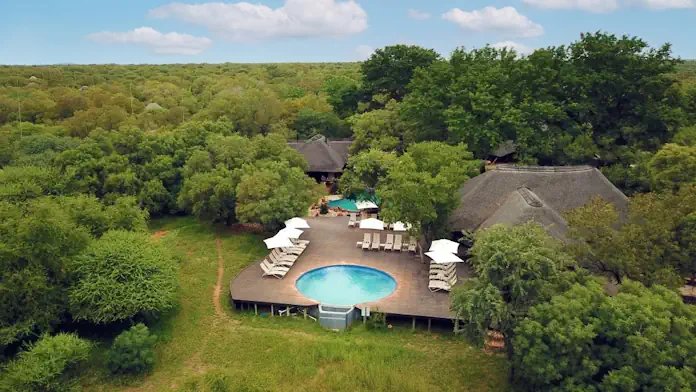
Finfoot Lake Reserve, which is set on a 3,500-hectare reserve within the greater Pilanesberg area, creates a unique and holistic experience with wildlife viewing, outdoor exploration and cultural experiences designed and delivered by its on-site team. This approach, she says, is gaining traction across rural and nature-based tourism destinations across the country, attracting domestic and international travellers.
During guided activities, such as game drives, birding excursions and bush experiences for instance, staff excitedly share knowledge of the reserve’s ecosystem, including the more than 300 bird species recorded in the region and the ways environmental pressures are shaping local habitats. Discussions often extend beyond wildlife sightings to broader environmental shifts affecting the landscape, such as the spread of invasive aquatic plants in nearby water systems and the impact these changes have on biodiversity and water quality.
These interactions reflect a broader shift in tourism, where travellers increasingly value first-hand knowledge from people who live and work in the destinations they visit. In rural areas especially, hospitality teams often hold deep understanding of local ecosystems, seasonal patterns and conservation challenges, turning routine activities such as game drives or bush walks into richer educational experiences.
The Boma experience
Cultural engagement is becoming an equally important part of the rural tourism offering. Evening boma gatherings, for example, draw on long-standing Southern African traditions of communal storytelling, music and shared meals around a fire. The Dinaledi Boma experience at Finfoot brings guests together with lodge staff through drumming, song and traditional hospitality, creating an environment where culture is shared directly rather than performed as a staged attraction.
Experiences like these also highlight the economic role that rural tourism properties can play within surrounding communities. Employment at remote lodges often supports far more than the staff on site, extending opportunities to suppliers, performers, guides and service providers in nearby villages. In the case of Finfoot, around 40 team members are employed directly, with livelihoods linked to hundreds of people in surrounding communities through the broader tourism value chain.
Hospitality in remote destinations is moving beyond accommodation alone to become a platform for storytelling, cultural exchange and shared prosperity within the communities that make these destinations possible. As South Africa continues to position itself as a nature and culture-rich destination, operators are increasingly recognising that rural tourism experiences built around local knowledge and community participation offer a compelling way to differentiate their offering, at the same time providing travellers with unique insight into landscapes and traditions that cannot be replicated elsewhere.

